What to expect
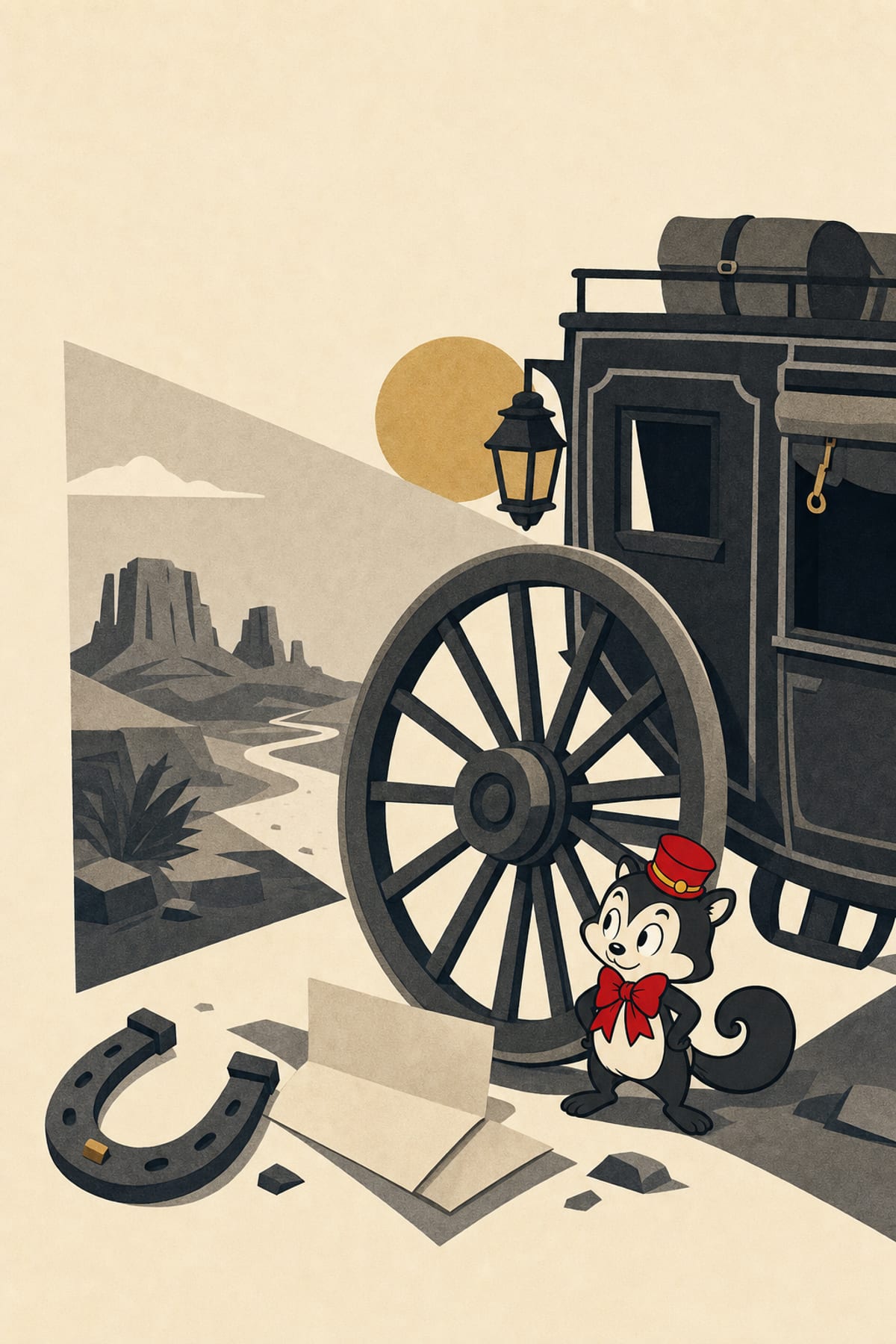
Stagecoach brought the western back to major studio prestige by joining expansive location photography to a tightly organized group drama. John Ford turns the coach into a moving social chamber where respectable citizens, outcasts, professionals, and fugitives reveal themselves under pressure. The film made John Wayne a star and gave Monument Valley a central place in the genre’s visual imagination. Its action remains clear and muscular, while its sympathy for several socially rejected passengers complicates the community waiting at journey’s end. At the same time, its depiction of Indigenous people demands critical distance from the mythology it helped establish.
How to ease in
Keep track of the passengers by social role rather than every name at first. The film alternates conversation with bursts of action, building toward the famous chase. Enjoy Ford’s staging while remaining alert to whose perspective the landscape and conflict exclude; the western’s craft and its ideology are both part of the viewing.
Heads-up
Nine uneasy passengers cross Monument Valley while a new kind of western takes shape.
The coach is most interesting before it becomes an action vehicle. Every seat carries a public label, and the journey gradually tests whether those labels describe character or merely status.
Open the note ↓
The coach is most interesting before it becomes an action vehicle. Every seat carries a public label, and the journey gradually tests whether those labels describe character or merely status. Ford opens the landscape wide while making the social space inside feel very small.
— Momo

Credits & versions
- Cast
- Claire Trevor — Dallas · John Wayne — Ringo Kid · Andy Devine — Buck · John Carradine — Hatfield
- Screenplay
- Dudley Nichols
- Production
- Walter Wanger Productions, Inc.
- Cinematography
- Bert Glennon
Version map
Where to go next
Want a gentler, shorter, or stranger next film?
Ask Momo for something like this →
Momo is on shift. Visit Momo Cinema →