After work
5 Ways to Stop Thinking About Work After Work
Still thinking about emails, meetings, and tomorrow’s tasks? Here are five practical ways to mentally leave work behind and reclaim your evening.
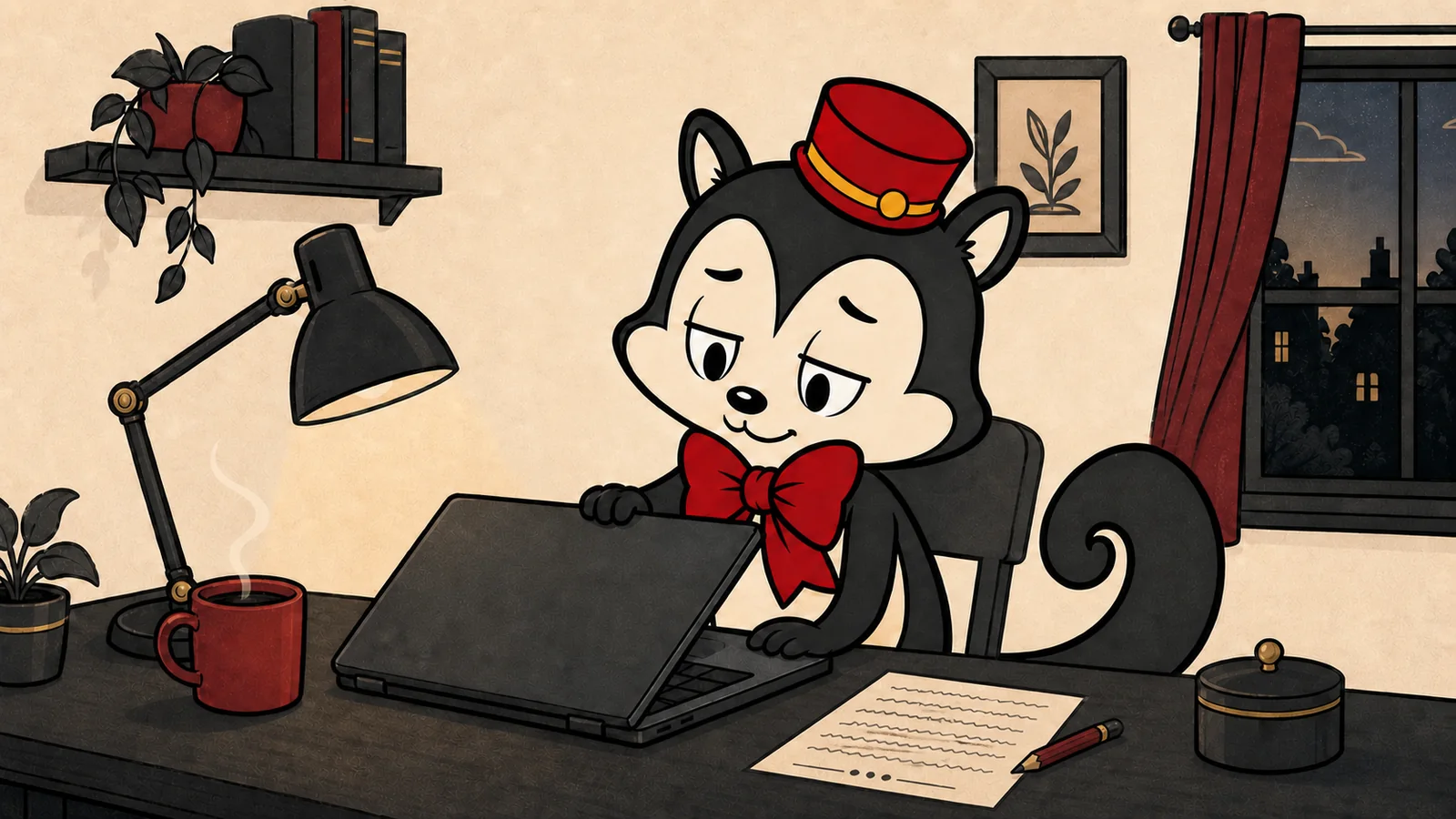
Have you ever finished work, gone home, and discovered that your mind is still at the office?
You replay something you said in a meeting. You reconsider an email that has already been sent. You begin planning tomorrow without ever deciding to do it.
Your body has left work, but your mind has quietly agreed to stay late.
What to Do Tonight
To stop thinking about work after work, try the smallest of these steps first:
- Write tomorrow’s first task in one sentence, then stop planning.
- Close work email, chat, calendar and browser tabs; put the work device out of reach.
- Give the workday a physical ending: change clothes, shower, make a drink or take a short walk.
- Let the evening be unproductive instead of grading how well you rest.
- If work still occupies your attention, give it somewhere else to go: a film.
If an earlier step creates enough distance, stop there. The film is a final option, not another task to complete.
On evenings like this, you do not need to build a perfect night-time routine. You do not need to exercise, study, clean your entire home, cook an exemplary dinner, and become a better person before bed.
That would simply give your evening a new manager.
The aim is much smaller: to let today’s work end today. Leave tomorrow one clear starting point, close the routes back into work, give the day a physical ending, and stop treating rest as another performance. You do not need to do everything below. Choose the smallest step that makes the evening feel separate from the workday.
The sections below explain each option without turning the evening into a new assignment.
1. Leave Tomorrow a Clear Starting Point
Unfinished work tends to return to mind because your brain does not want to lose it.
You remember the document that still needs checking. The reply you have not written. The conversation you will need to have tomorrow.
Instead of carrying all of that through the evening, leave yourself one clear instruction.
Start with page three of the report.
Reply to Alex before opening the presentation.
That is enough.
You are not trying to plan the entire day. You are simply showing tomorrow’s version of yourself where to begin.
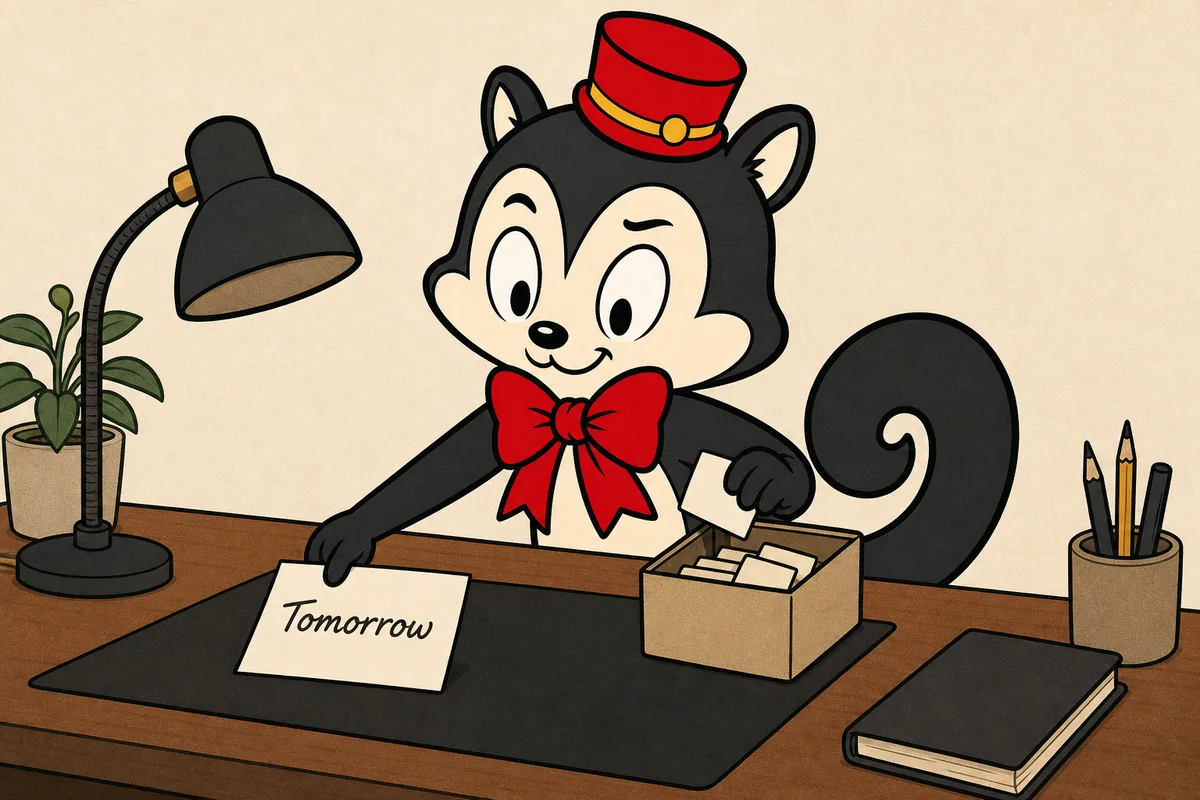
Research on unfinished goals found that making a specific plan reduced the intrusive thoughts those goals created during unrelated activities. A 2026 meta-analysis also found that unfinished work was associated with more work-related thinking during off-hours.
The useful part is the clear next step—not a beautifully colour-coded schedule.
When a one-line note becomes a thirty-minute planning session, work has not ended. It has merely changed fonts.
Write the first step, then hand the task over to tomorrow.
2. Close the Doors That Lead Back to Work
Close your work email, chat, calendar, and project tools.
Turning off notifications helps, but it may not be enough when you have developed the habit of checking them yourself. Move work apps away from your home screen. Close the browser tabs. Put the work device somewhere you cannot reach without making a deliberate decision.
You do not need to begin a total digital detox.
You are simply making it slightly harder to wander back into work by accident.
The possibility that something might be waiting can occupy more attention than the message itself. So ask a simple question:
Does this need to be seen tonight, or would tomorrow morning produce exactly the same result?
Once the door is closed, leave it closed for a while.
Work is often surprisingly quiet when you stop going over to see whether it has anything else to say.
3. Give Your Body a Signal That Work Is Over
Sometimes the mind does not respond to being told that the workday has ended.
A small physical transition can help.
Change your clothes. Take a shower. Make a drink. Walk around the block. Put the work materials out of sight.
It does not need to be productive or impressive. It only needs a clear beginning and end.
A great deal of work is difficult to finish psychologically because it could always continue. You could check one more detail, prepare one more answer, or think through one more possibility.
A shower ends. A cup of tea becomes ready. Your work clothes come off.
These small, complete actions create a boundary between one part of the day and the next.
Choose one.
Do not accidentally convert it into a full domestic improvement programme. Cleaning one corner of the desk does not require reorganising the entire room.
That is outside tonight’s scope of work.
4. Stop Grading Your Rest
It is easy to turn recovery into another performance.
You should exercise. Read something worthwhile. Cook properly. Organize your home. Journal. Meditate. Sleep at the perfect time.
None of those things is bad.
But when an evening becomes a checklist that you can fail, rest has acquired its own performance review.
Some nights do not need to be optimized.
You are allowed to listen to music without learning anything. Eat something simple. Sit without producing a result. Spend an hour that does not improve your career, body, home, or personal brand.
Today may not be a day for becoming more efficient.
It may be a day for temporarily refusing to measure efficiency at all.
You have already spent enough of the day generating value.
Your evening does not need to submit a report.
5. Watch a Black-and-White Movie
When you’re tired from work, you naturally want to watch a black-and-white movie, right?
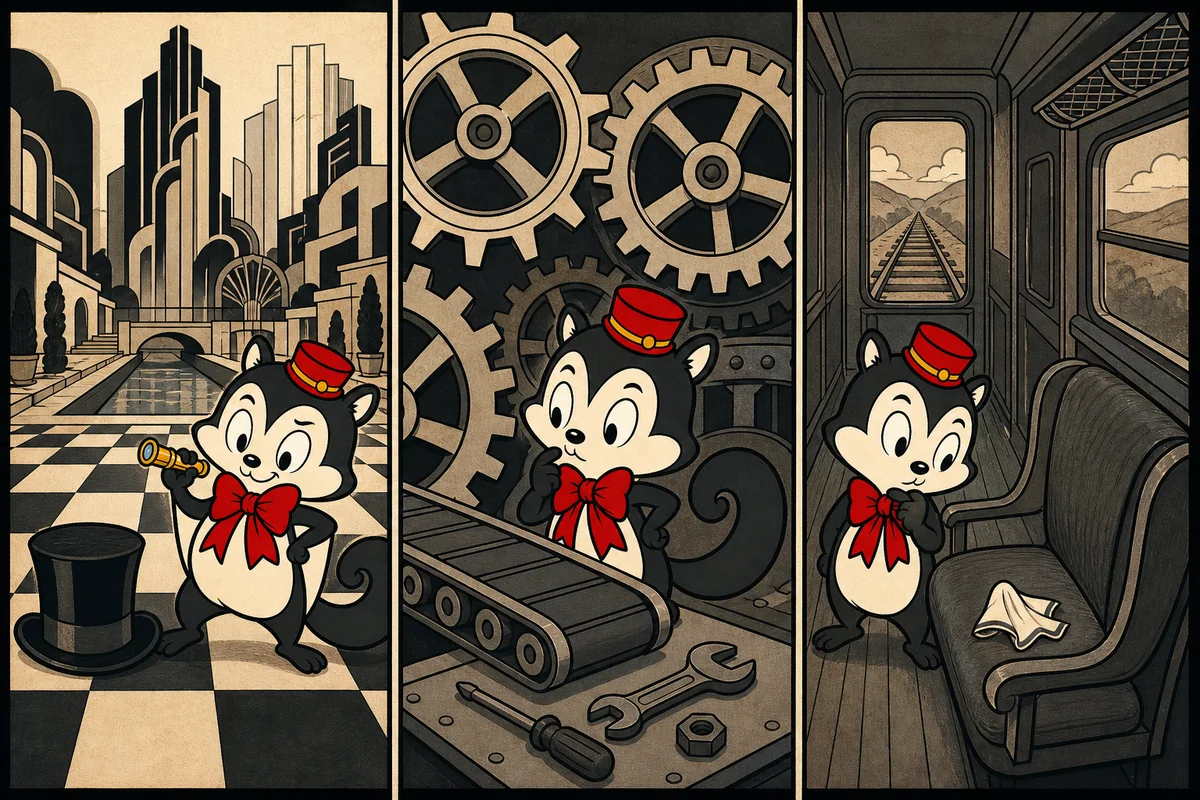
Start with Top Hat.
Fred Astaire plays a dancer who meets Ginger Rogers’s fashion model in a London hotel. A cheerful misunderstanding makes the romance far more complicated than it needs to be, but the story mainly exists to carry them from one song and dance to the next.
The movie begins with tap dancing loud enough to disturb the room below and eventually arrives in a dreamlike Hollywood version of Venice: canals, terraces, sweeping Art Deco spaces, and Irving Berlin songs.
Its world has very little interest in being practical.
That is part of its charm.
You have spent the day making realistic decisions. For a while, you can watch two people escape an inconvenient conversation by dancing beautifully through it.
BFI describes Top Hat as a romantic farce built around mistaken identity, with its studio-built Venice transformed into an Art Deco fantasy. Its celebrated “Cheek to Cheek” sequence remains one of the defining displays of the Astaire–Rogers partnership.
Then watch Modern Times.
Charlie Chaplin’s Little Tramp takes a factory job, struggles to keep pace with an assembly line, gets pulled through enormous machinery, loses one job after another, and meets a young woman played by Paulette Goddard.
There are ideas here about mechanised labour, poverty, and the way systems treat human beings. But the movie does not ask you to attend a lecture.
It gives you Chaplin tightening imaginary bolts on everything he sees. It gives you an experimental feeding machine that cannot be trusted with lunch. It gives you two people repeatedly pushed out of respectable society who keep imagining a home together anyway.
The movie is funny, inventive, romantic, and alive.
There may also be something reassuring about discovering that work had already become ridiculous by 1936.
You do not need to analyse that tonight.
Chaplin is doing all the running. You can remain seated.
BFI and Criterion describe both the film’s rush of visual comedy and its satire of mechanised labour, while centring the Tramp’s relationship with Goddard’s spirited young woman.
Finally, try The Lady Vanishes.
A young woman named Iris befriends an elderly passenger during a train journey across Europe. Then the woman disappears.
More strangely, the other passengers insist that she was never there.
Iris joins forces with a cheerful, irritating young man named Gilbert, and the two begin searching the train. What follows is a mystery, a comedy, a romance, and a thriller, all moving together at considerable speed.
The train gives the movie a wonderfully simple direction: it keeps going forward.
There are odd passengers, suspicious stories, hidden motives, and just enough danger to make the outside world disappear for a while.
Trying not to think about work can be difficult.
Thinking about a missing woman whom an entire train claims never existed is much easier.
BFI describes The Lady Vanishes as a precisely balanced combination of suspense, comedy, and romance, built around a disappearance that the other passengers deny.
These movies will not solve tomorrow’s problems.
That is not their job.
An evening does not always need to repair the day. Sometimes it only needs to take your attention somewhere else for a while—to an impossible Venice, a factory full of giant gears, or a train carrying a woman whom nobody remembers.
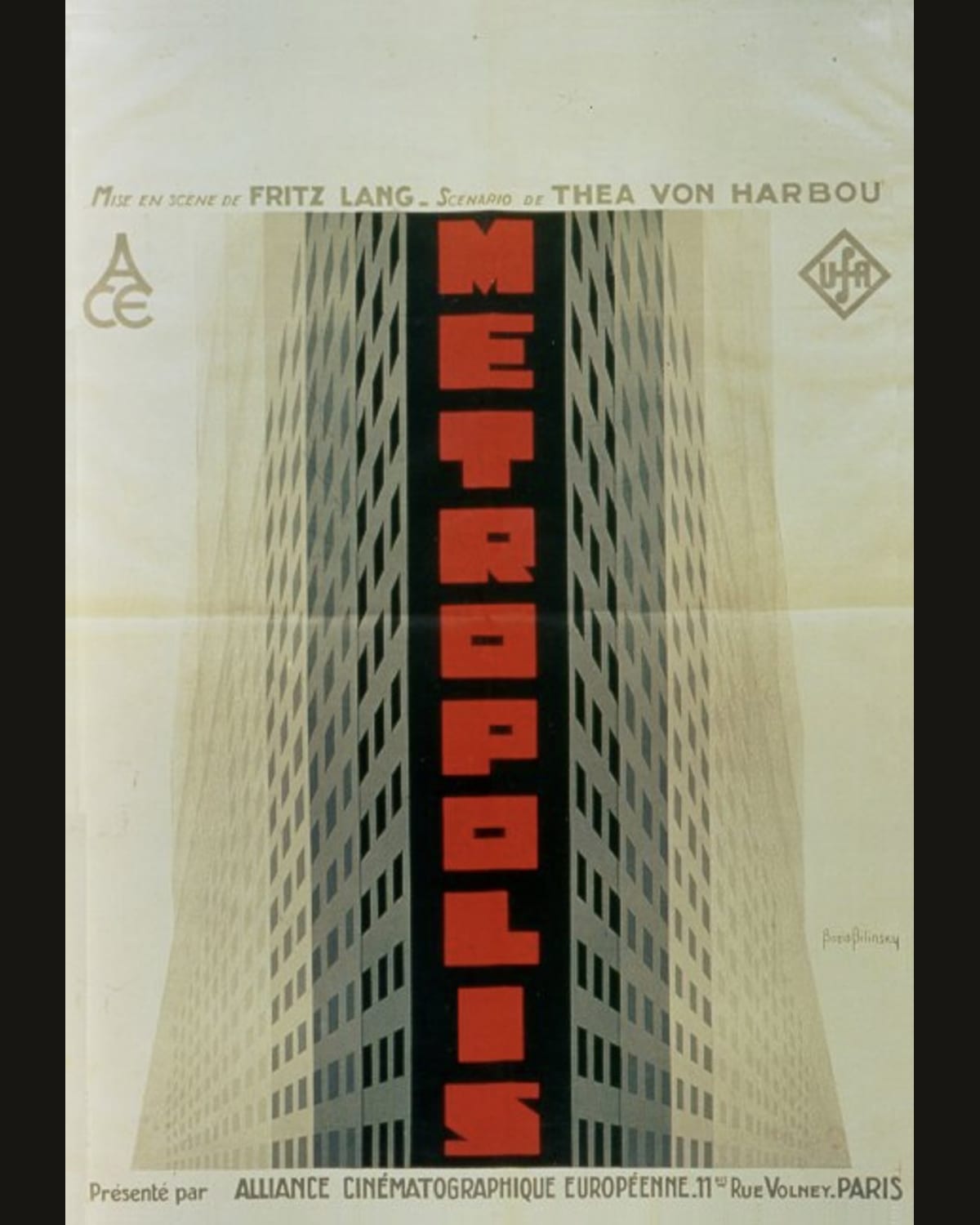
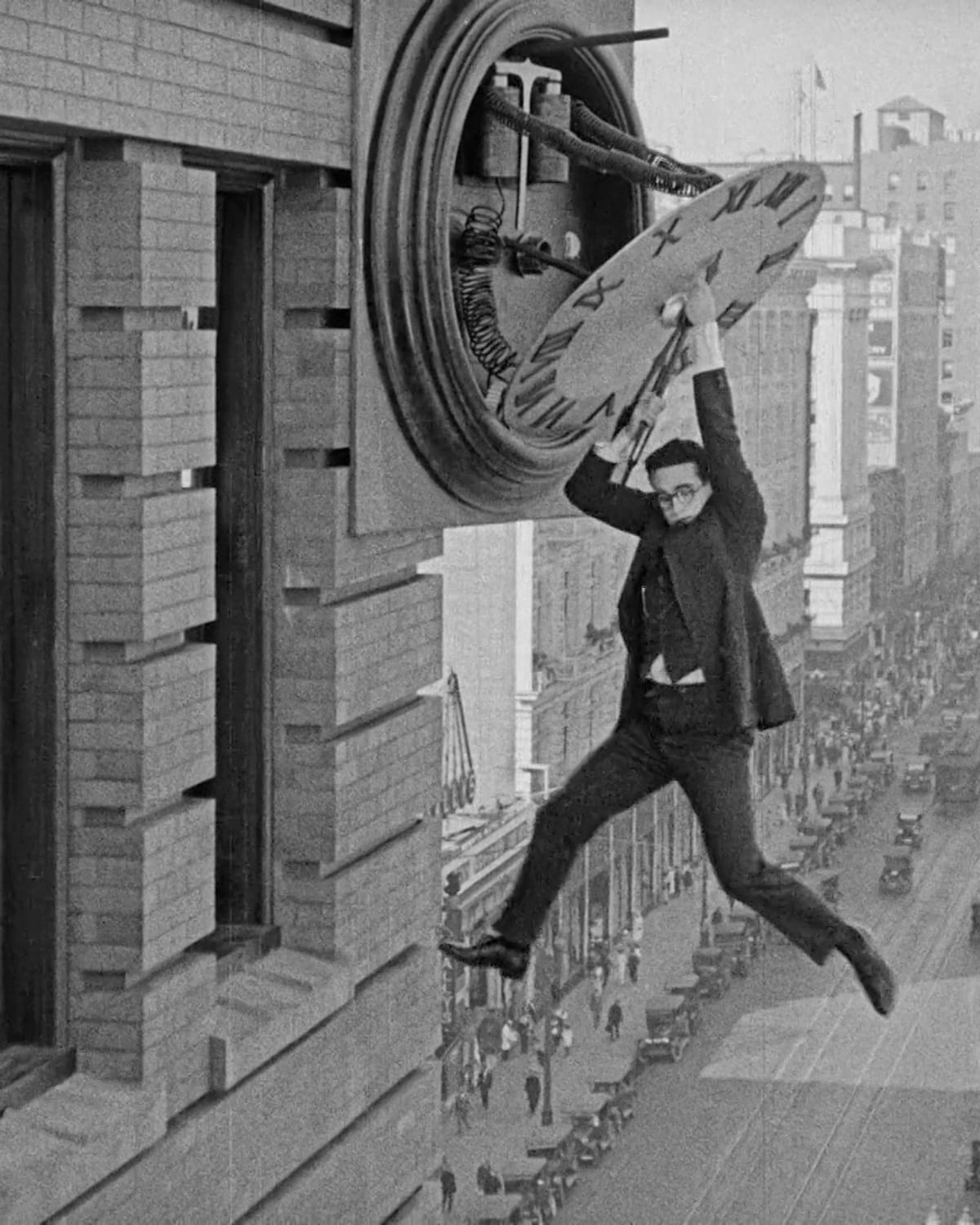
For more short choices, open 15 Best Classic Films Under 90 Minutes. If choosing by mood feels easier than choosing by title, start with eight approachable films. If Modern Times is the one you choose, City Lights is a gentle next Chaplin film. Or follow Metropolis toward another machine-age vision, Safety Last! toward more physical comedy, or The Apartment toward another after-hours city.
Let Work End for Tonight
You do not need a perfect recovery routine.
Leave tomorrow one clear instruction.
Close the routes that lead back into work.
Give the day a physical ending.
Stop grading the way you rest.
Watch a black-and-white movie.
You do not need to do all five. Choose the one that makes tonight feel more separate from the day you have already finished.
The evening is not a storage room for work that did not fit into office hours.
Close the email. Make something to drink. Start the movie.
Work is over for tonight.
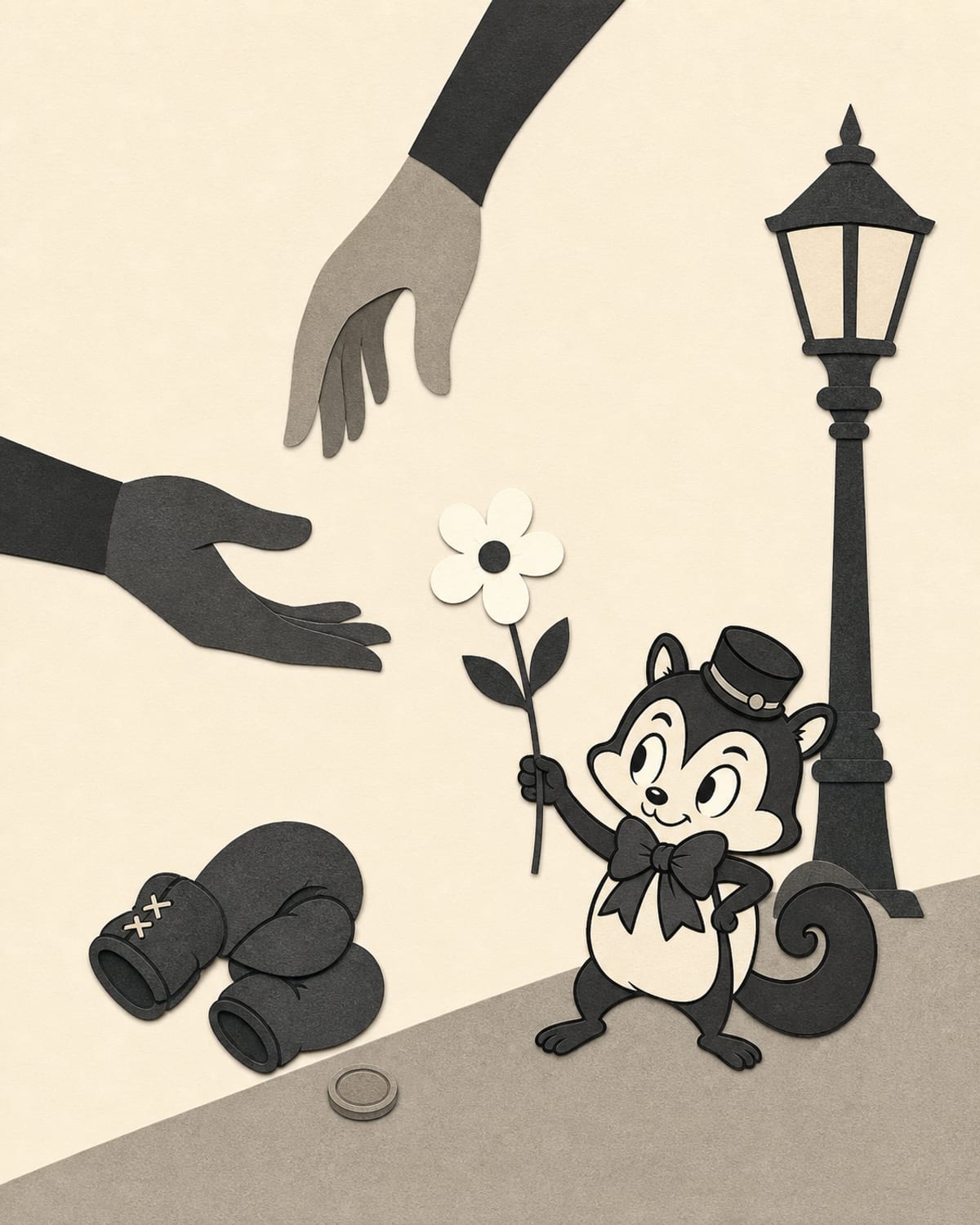
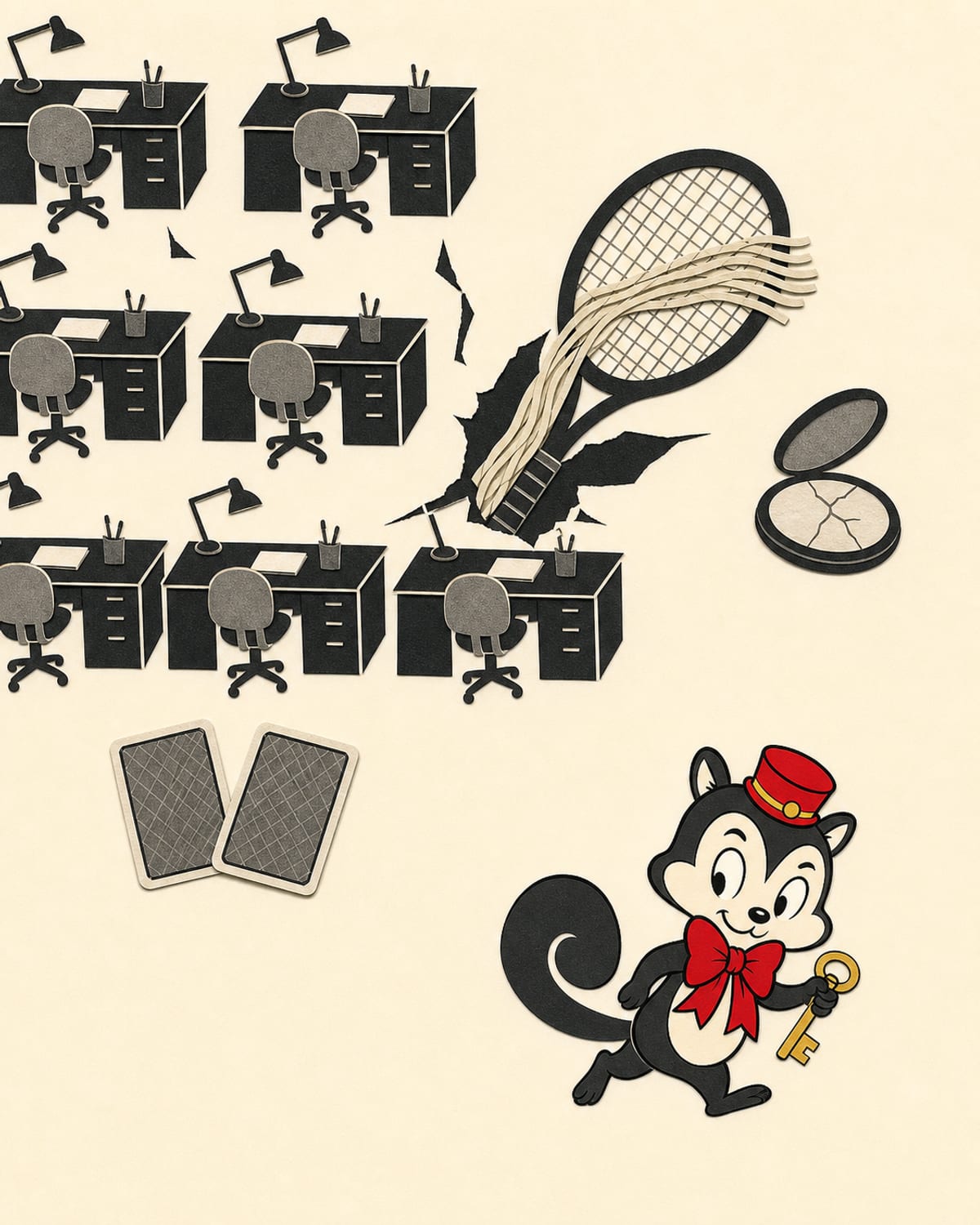
If choosing a film is the only decision you do not want to make, Ask Momo can narrow the evening down. Or step straight into Momo Cinema for a playful route through the catalogue.
Sources and editorial note
Sources were checked on July 31, 2026.
- Masicampo and Baumeister, “Consider it done! Plan making can eliminate the cognitive effects of unfulfilled goals” — the study behind the specific-plan finding in the first section.
- Wendsche, Weigelt, and Syrek, “Unfinished work tasks and work-related thoughts during off-job time” — a 2026 meta-analysis of unfinished work and work-related thoughts during off-job time.
- BFI: Top Hat, Ginger Rogers: 6 essential dance routines, and 10 great films set in Venice — film record, “Cheek to Cheek,” and the studio-built Venice setting.
- BFI: Modern Times and The Criterion Collection: Modern Times — story, visual comedy, mechanised-labour context, cast, and presentation details.
- BFI: The Lady Vanishes — story, cast, and the film’s combination of suspense, comedy, and romance.
The research sources support the limited claims identified above. The five-step structure, jokes, transitions, and viewing suggestions are Monocurator’s editorial guidance, not medical advice or claims that these actions will treat a condition.
Continue exploring on Monocurator
Want a recommendation shaped around your evening? Ask Momo what to watch next →