Director doorway
6 Hitchcock Black-and-White Films for Beginners
Compare six black-and-white Hitchcock films by runtime, mood, and scare level. Start with The 39 Steps; choose Psycho if you want horror.
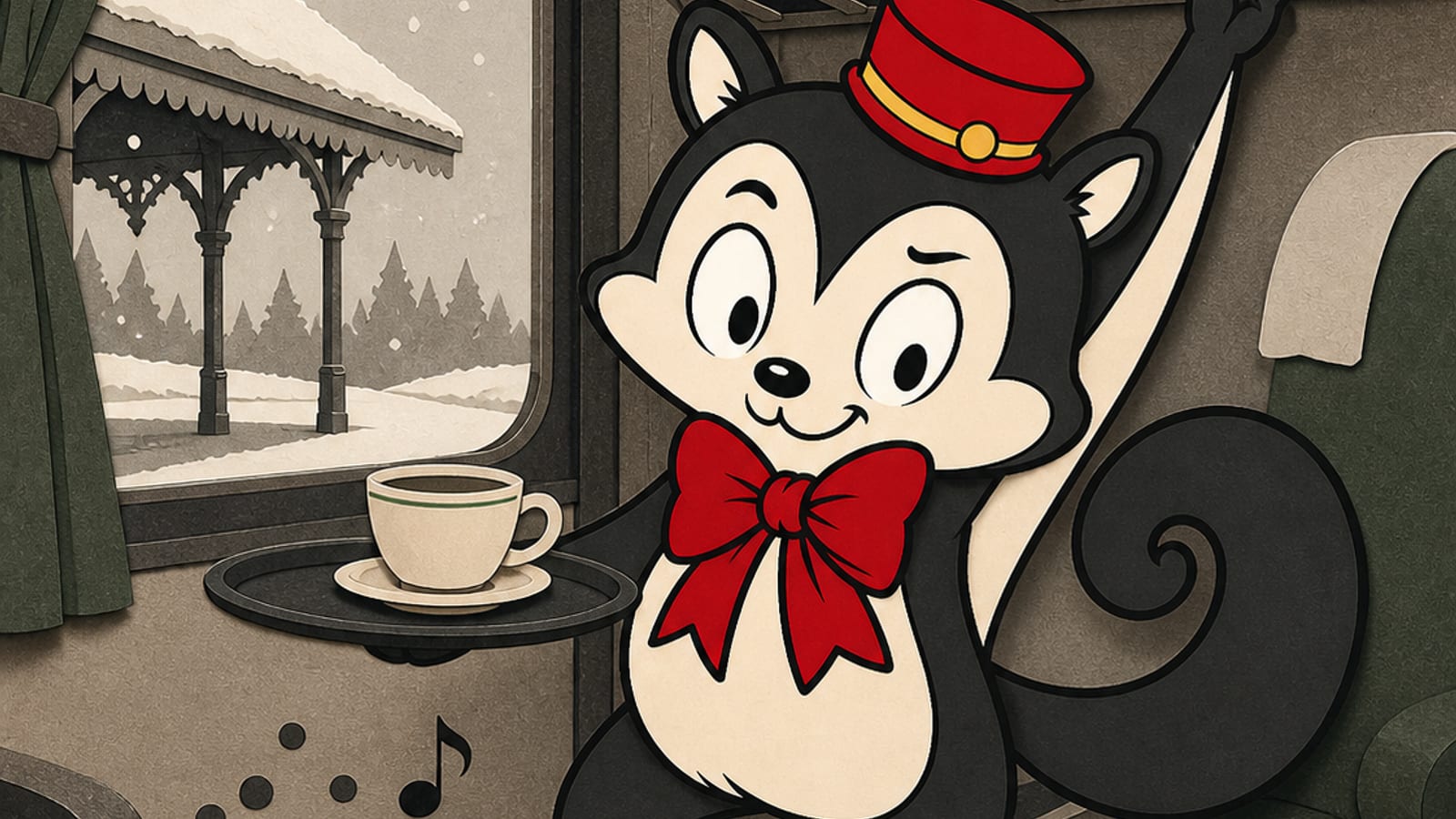
The shortest answer: start with The 39 Steps if you want to discover why Alfred Hitchcock is fun. It is brisk, romantic, tense, and frequently funny. Start with Psycho instead if you specifically want horror, or The Lady Vanishes if a train mystery sounds better tonight.
Hitchcock made films across six decades, first in Britain and later in Hollywood. A complete watch order turns that range into homework. A better first question is simpler: what kind of suspense do you already enjoy? The six black-and-white films below offer six different answers without requiring any knowledge of film history.
Choose your first Hitchcock film
| If you want… | Start with | Runtime of the checked presentation | Mood | How frightening? |
|---|---|---|---|---|
| A fast, funny chase | The 39 Steps | 86 min | Tense, funny | Light |
| A mystery with comic company | The Lady Vanishes | 96 min | Mystery, funny, tense | Light |
| The famous horror doorway | Psycho | 109 min | Tense, mysterious, bleak | Strong |
| Romance under pressure | Notorious | 101 min | Tense, romantic | Moderate |
| Suspicion inside an ordinary town | Shadow of a Doubt | 108 min | Tense, mysterious | Moderate |
| Silent London and visual suspense | The Lodger | Varies by presentation | Mysterious, tense | Moderate |
The figures above identify the named catalogue presentations checked for this guide. Silent-film running times can vary with frame rate, score, and edition, so the number on a service or disc is not a reliable identity test by itself.
Start with The 39 Steps if you want the easiest welcome
The 39 Steps (1935) is the best general answer because it corrects the idea that Hitchcock means solemn horror. A visitor to a London music hall becomes trapped in a spy plot and has to keep moving. The story crosses trains, moors, bedrooms, political meetings, and stages before any one setting can become comfortable.
The movement gives a first-time viewer something immediate to follow. Hitchcock repeatedly lets danger and comedy occupy the same scene: an escape can become an embarrassment, an unwanted partnership can become flirtation, and a public performance can conceal a private threat. You do not need to solve the conspiracy in advance. Follow the hero’s next practical problem and let the larger shape arrive around him.
Choose this first if you want pace, wit, romance, and only a small amount of darkness. The Criterion presentation checked here is 86 minutes, so it also fits a weeknight.
Choose The Lady Vanishes for a mystery you can enjoy with company
The Lady Vanishes (1938) begins with travellers delayed at a crowded hotel before moving onto a train. An elderly passenger disappears, and the people who should confirm that she existed become evasive or strangely unhelpful.
The mystery is strong, but the pleasure comes from the passengers. Some are selfish, some absurd, some frightened, and some far more capable than they first appear. The comic opening is not a delay before the “real” film. It teaches you who these people are, what they care about, and why they may refuse to help once the train begins moving.
Choose it over The 39 Steps if you prefer an enclosed puzzle to a chase across the landscape. It is also the easiest choice here for a mixed group: the suspense is clear, the humour is generous, and the violence is limited compared with Hitchcock’s later horror.
Choose Psycho if you came for horror
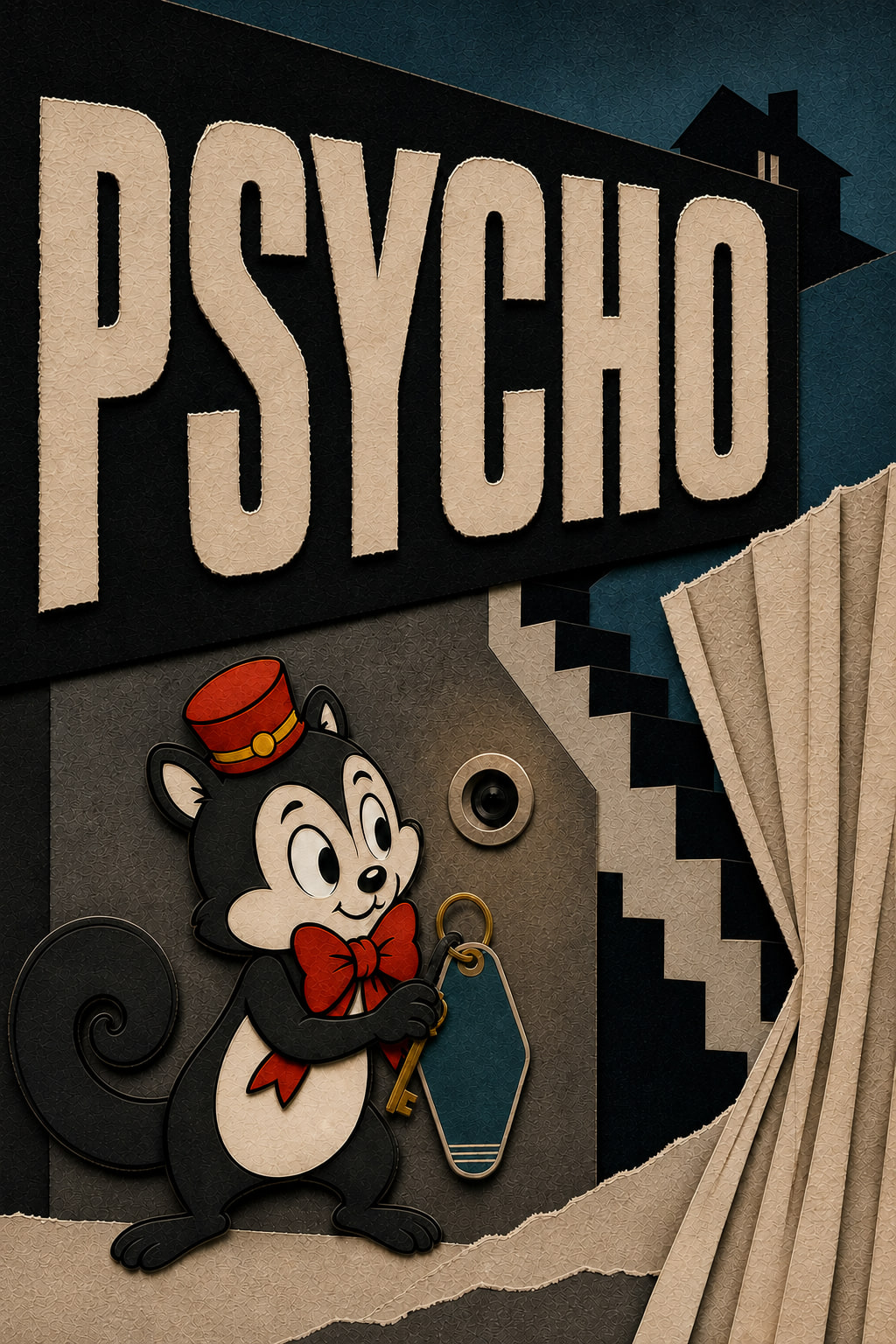
Psycho (1960) is the obvious doorway, and being famous has made it oddly difficult to see. Even people who have never watched it often know an image, a musical phrase, or a revelation. The useful response is not to pretend you know nothing. Watch how patiently Hitchcock earns what you already recognise.
The early rooms, small lies, long drive, rain, and roadside motel gradually change what the viewer is looking for. The film keeps transferring attention from one person or object to another. That control of attention matters more than surprise alone; it is why the film remains tense after its secrets have escaped into popular culture.
This is the strongest and bleakest first watch on the list. It includes murder, bloody violence, voyeurism, sexual threat, and dated ideas connecting gender presentation with mental illness. If that is not tonight’s mood, start elsewhere. If it is, avoid a full plot summary and give the film an uninterrupted evening.
Choose Notorious if romance matters as much as espionage
Notorious (1946) is a spy thriller built around two people who keep failing to say what they need from one another. Alicia is recruited for a dangerous assignment involving Nazi fugitives in South America. Devlin helps send her into it while hiding jealousy behind professional restraint.
The romance is not decoration placed between suspense scenes. It is the map of the suspense. A key, a cup, a staircase, and the distance between two people become dangerous because trust has already been damaged. Watch what Devlin refuses to say and how each silence changes the risk Alicia is expected to accept.
Choose this first if you like Ingrid Bergman or Cary Grant, if emotional cruelty interests you more than shocks, or if you want proof that Hitchcock could make an intimate love story feel as tightly engineered as a chase.
Choose Shadow of a Doubt for danger in daylight
Shadow of a Doubt (1943) brings suspicion into a family home in a small Californian town. Young Charlie adores the uncle who shares her name. His arrival seems to promise excitement; then ordinary details begin to feel wrong.
Many Hitchcock films place an innocent person in a spectacular trap. This one asks what happens when doubt grows inside affection. Streets, dinner tables, libraries, and garages remain recognisably ordinary, which makes danger harder to isolate. Keep the two Charlies distinct and notice how their apparent likeness becomes a contest over who can read the other first.
Choose it first if you prefer psychological tension to spy plots or gothic buildings. It contains discussion of serial murder, misogyny, coercive behaviour, and attempted murder, but its most unsettling quality is the way familiarity itself becomes unreliable.
Choose The Lodger to see Hitchcock invent the visual grammar
The Lodger: A Story of the London Fog (1927) is the silent option. A serial killer has put London into a state of fear, and a mysterious tenant becomes the focus of a family’s suspicion. News travels through crowds and newspapers; footsteps overhead acquire a shape in the imagination of the people below.
The BFI describes it as the first fully Hitchcockian Hitchcock film, and the claim makes sense on screen. Suspicion moves faster than evidence. Attraction and fear become difficult to separate. A public appetite for a murderer can turn just as dangerous as the unknown man everyone is trying to identify.
Do not begin here because you think a director’s career must be watched chronologically. Begin here if silent cinema already interests you, or if you want to see suspense built from framing, movement, faces, signs, and montage before dialogue could carry the explanation.
A six-film route through black-and-white Hitchcock
If the first film works, use this order rather than ranking the six from “best” to “worst”:
- The 39 Steps — learn the pleasure of the chase.
- The Lady Vanishes — keep the wit and tighten the space.
- Notorious — let romance carry the danger.
- Shadow of a Doubt — move suspicion into the home.
- Psycho — watch the familiar images regain their force.
- The Lodger — return to the silent beginning after you know what to look for.
The order is deliberately not chronological. A first route should create curiosity, not prove discipline. If only one description above sounds right tonight, that is enough. Start there, then let the second film show you how unlike itself “a Hitchcock film” can be.
If runtime matters more than chronology, find more short classics in the 15-film guide to classic films under 90 minutes.
For a route across directors rather than through one career, return to eight easy first watches. For another director doorway, try Akira Kurosawa or Billy Wilder.
On screen
Films discussed
- The 39 Steps (1935) · Alfred Hitchcock
- The Lady Vanishes (1938) · Alfred Hitchcock
- Psycho (1960) · Alfred Hitchcock
- Notorious (1946) · Alfred Hitchcock
- Shadow of a Doubt (1943) · Alfred Hitchcock
- The Lodger: A Story of the London Fog (1927) · Alfred Hitchcock
Continue exploring on Monocurator
Want a recommendation shaped around your evening? Ask Momo what to watch next →