Les commandes de la page sont traduites. Les titres des films restent tels qu’ils figurent au catalogue. Les textes éditoriaux et les descriptions des sources sont en anglais.

← Retour aux films

Satirical drama

A Face in the Crowd

Durée
Non établie

A charismatic drifter discovered on local radio learns how quickly intimacy can be manufactured for a mass audience.

Rechercher un exemplaire ↓ Avant de regarder le film ↓

Recherche sur Amazon.com · lien d’affiliation rémunéré. Vérifiez l’édition et la région avant d’acheter.

Langue
English
TenseFunnyBleak Idéal pour commencer · Facile à regarder Satirical drama
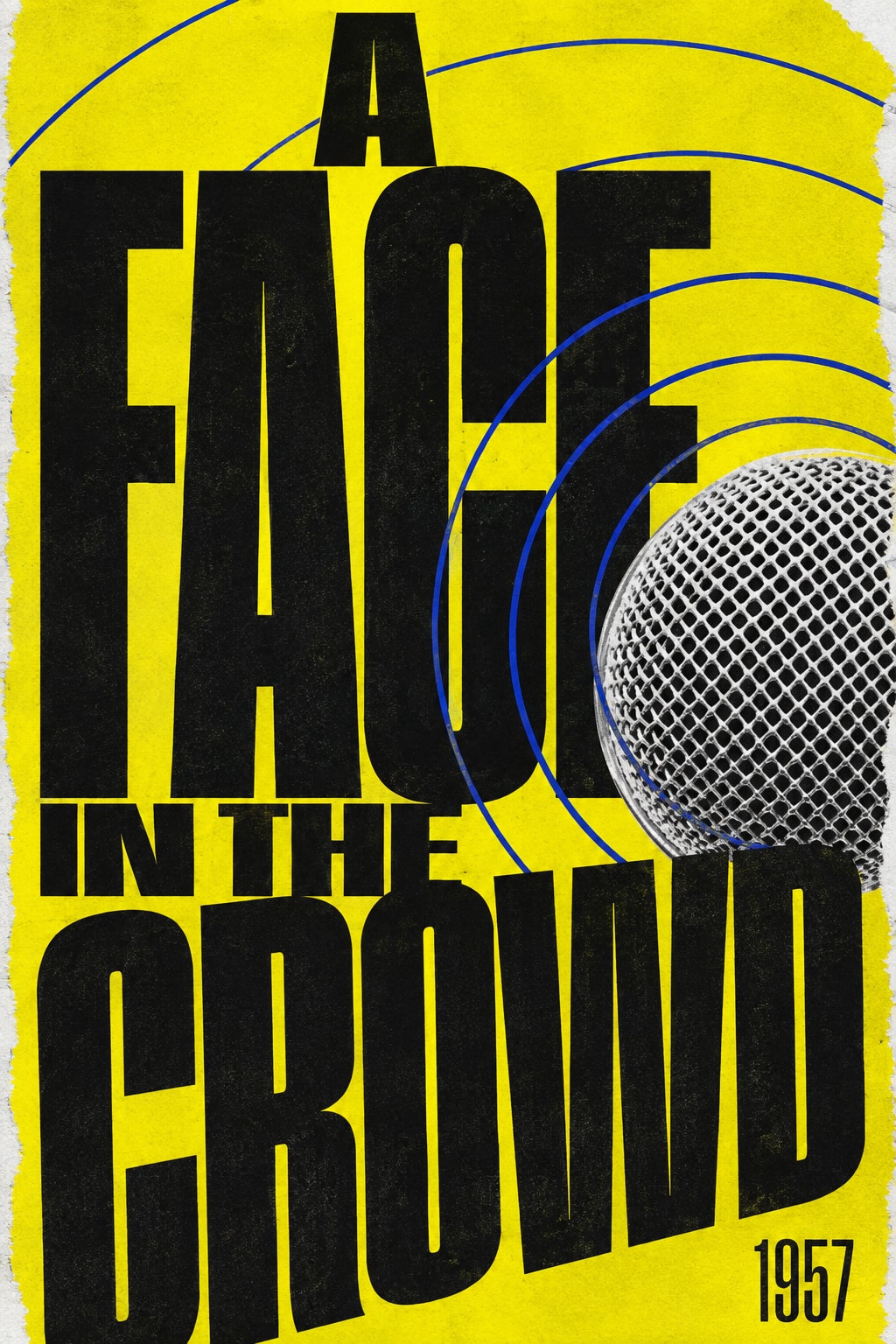
A FACE IN THE CROWD in oversized black lettering on citron-yellow paper, with a silver microphone grille and cobalt broadcast arcs. 1957.

Image: Monocurator · source · Original Monocurator artwork

Who is Lonesome Rhodes?

Larry “Lonesome” Rhodes, played by Andy Griffith, is the entertainer at the centre of A Face in the Crowd. Marcia Jeffries discovers him while recording a radio programme in an Arkansas jail. His appeal carries him from local broadcasting into television, advertising and political influence. Criterion’s film guide introduces that rise through Marcia’s part in creating his public identity.

Marcia Jeffries Patricia Neal
The radio producer who discovers Rhodes and helps shape his career.
Joey de Palma Anthony Franciosa
The agent who turns Rhodes’s popularity into business opportunities.
Mel Miller Walter Matthau
The television writer whose growing scepticism gives Marcia another view of Rhodes.

Was Lonesome Rhodes a real person?

Rhodes is a fictional character drawn from Budd Schulberg’s short story. Kazan and Schulberg also researched advertising agencies and television stations. AFI’s production history records real influences on the character, including broadcaster Arthur Godfrey. The film builds its own story from that world of entertainers, sponsors and political ambition.

Why does the microphone change the ending? Ending spoilers

Marcia turns on Rhodes’s microphone while he believes the broadcast is over. Viewers hear him sneer at the audience he normally flatters. Sponsors withdraw and his planned party empties out. Later, the sound of recorded applause accompanies him in his penthouse. AFI’s synopsis follows this reversal from the studio to the deserted celebration.

The microphone exposes the gap between his public affection and private contempt. The applause carries that idea further: he can still command the sound of admiration after losing the people who supplied it. Yet Mel predicts that Rhodes may eventually return to television. April Wolfe’s Criterion essay draws attention to that uncomfortable prospect. Exposure has broken this performance’s hold; the appetite for a persuasive new performance remains.

À quoi s’attendre

Andy Griffith’s performance makes charm, resentment, and appetite operate at the same temperature. Kazan and Budd Schulberg trace how media access turns a supposedly authentic voice into commercial and political power.

Comment aborder le film

Watch the audience grow around Lonesome Rhodes. Each new microphone changes not only his reach but the kind of person everyone around him must become.

À savoir

Une brève note non exhaustive Includes emotional abuse, sexual exploitation, racism, political manipulation, alcohol misuse, and public humiliation.
Momo's Note Peut contenir des révélations sur l’intrigue Qui est Momo ? → (S’ouvre en anglais)
Ouvrir la note ↓ Fermer la note ↑

I am frightened less by the public mistaking performance for sincerity than by the professionals who recognise the performance and decide its usefulness matters more.

— Momo

Momo thinking about this film

Générique et versions

Sources des données

Pour poursuivre la découverte

Envie d’un prochain film plus doux, plus court ou plus étrange ? Demandez à Momo un film dans le même esprit → (S’ouvre en anglais)
Momo est de service. Visiter Momo Cinema → (S’ouvre en anglais)


Poursuivre la découverte du catalogue →