See Films Differently · Nº 01
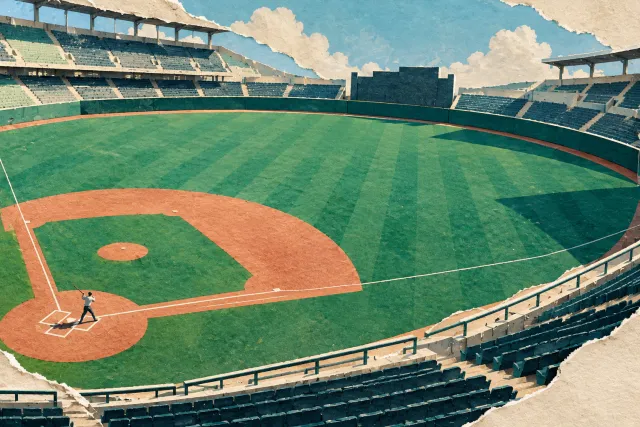
Why Can We See a Baseball Game When Keaton Plays Alone?
Keaton’s solo game in The Cameraman opens a question about baseball: how can the same starting shape hold a different situation?
Journal topic
Essays connecting film craft with cinema and the act of looking.
See Films Differently · Nº 01
Keaton’s solo game in The Cameraman opens a question about baseball: how can the same starting shape hold a different situation?
See Films Differently · Nº 02
Momo on Pig’s lingering atmosphere, Welles’s spoken credits and the pleasure of a farewell that feels like part of the film.
Film craft · Nº 03
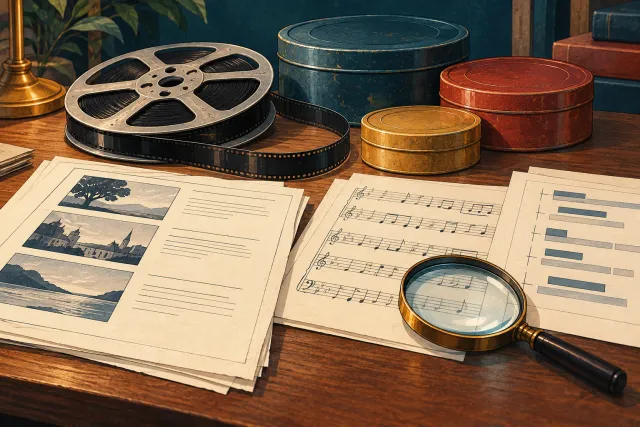
What public domain means for a film, with US and UK rules checked on 2 October 2026, separate scores and subtitles, and The Gold Rush as a version example.
Film craft · Nº 04
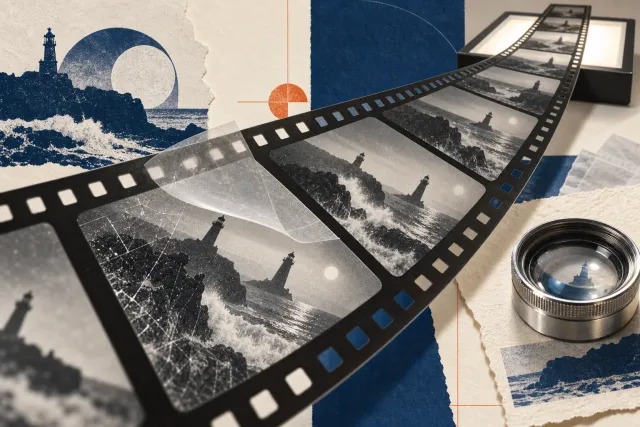
Does a 4K restoration mean a 4K disc? Read restoration and remastering labels, compare Citizen Kane and Metropolis, and know which edition you are buying.

See Films Differently · Nº 05
Find summer in the sea breeze of Monsieur Hulot’s Holiday and a lakeside day in People on Sunday. Two black-and-white films to put you in a holiday mood.
See Films Differently · Nº 06
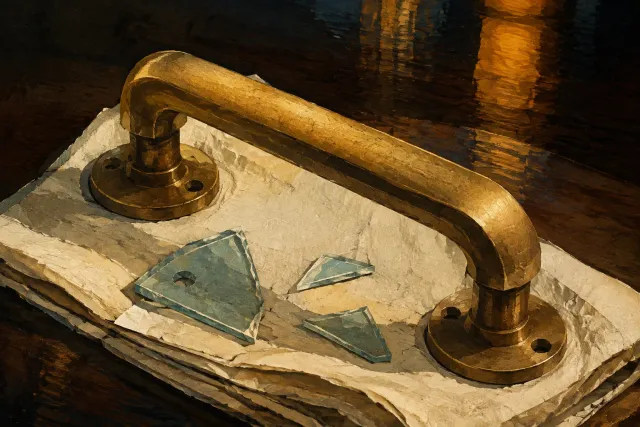
Why does PlayTime’s doorman keep opening a broken door? Separate the passage from the gesture with Don Norman’s distinction between affordances and signifiers.
See Films Differently · Nº 07
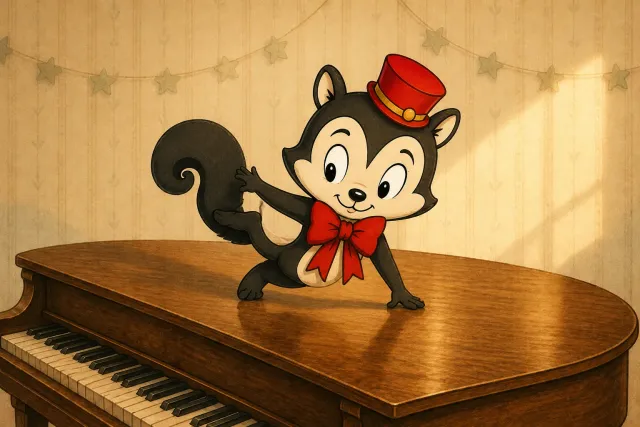
Love Toy Story? Discover A Christmas Dream, an eleven-minute black-and-white short where an old rag doll turns a piano into music, skating and play.
See Films Differently · Nº 08
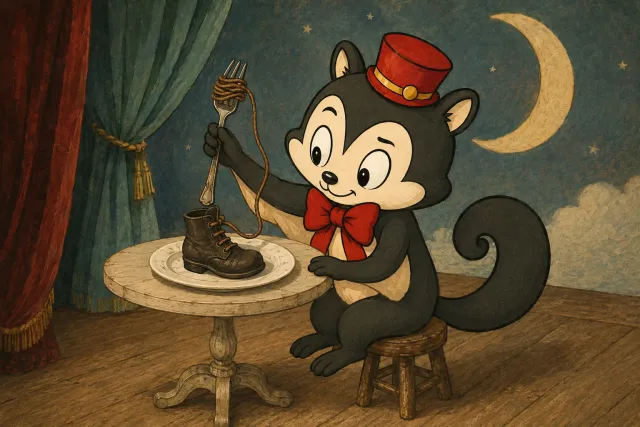
Why can Minions make sense without translation? Follow their looks, voices and mistakes alongside Chaplin’s The Gold Rush and Keaton’s One Week.
See Films Differently · Nº 09
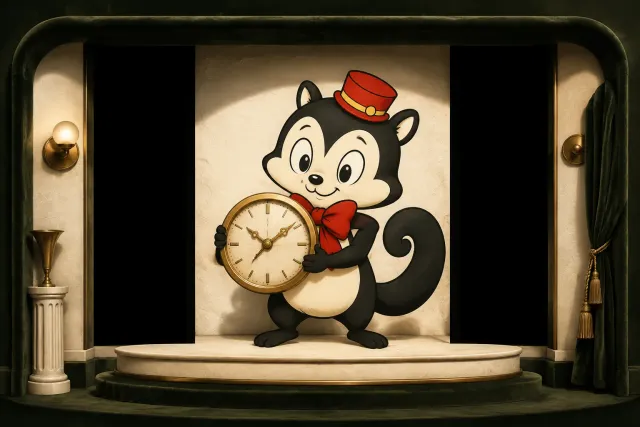
Why old films look square, what 4:3 and Academy ratio mean, and why the black bars on your TV may be keeping the whole picture intact.
See Films Differently · Nº 10
Hear the difference between an old-film accent, a performance and a recording, with Cary Grant, Katharine Hepburn and two comedies from 1940.
See Films Differently · Nº 11
Silent films can look too fast at the wrong frame rate. Learn how capture, projection and restoration shape motion—and why there was no single silent speed.
See Films Differently · Nº 12
Some Like It Hot was not black-and-white because colour was unavailable. Wilder preferred it; monochrome also protected the disguises and made 1929 cohere.
See Films Differently · Nº 13
Black-and-white films do more than remove colour: they reshape light, faces, texture and space. Here is what to look for, and where a beginner can start.
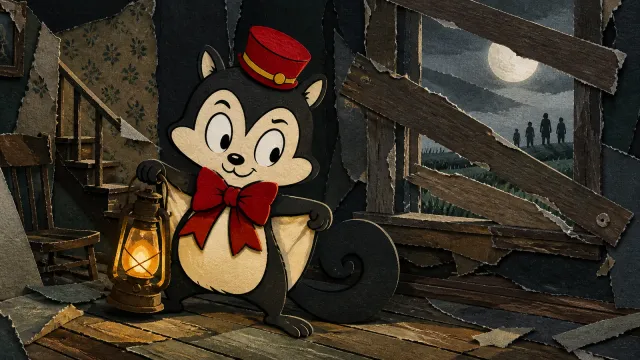
See Films Differently · Nº 14
Why Night of the Living Dead was shot in black and white, how it shapes the horror, and how to tell the 1968 original, colourised copies and 1990 remake apart.
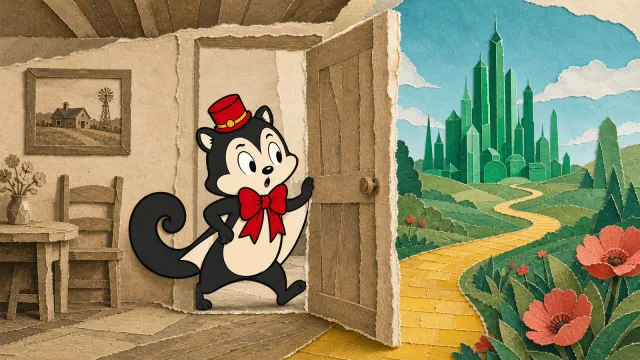
See Films Differently · Nº 15
The 1939 Wizard of Oz already mixed sepia and Technicolor. See how a sepia-costumed double and Judy Garland made the doorway change work.