See Films Differently Film craft
Why Are Old Movies Square? Aspect Ratios and Black Bars Explained
Why old films look square, what 4:3 and Academy ratio mean, and why the black bars on your TV may be keeping the whole picture intact.
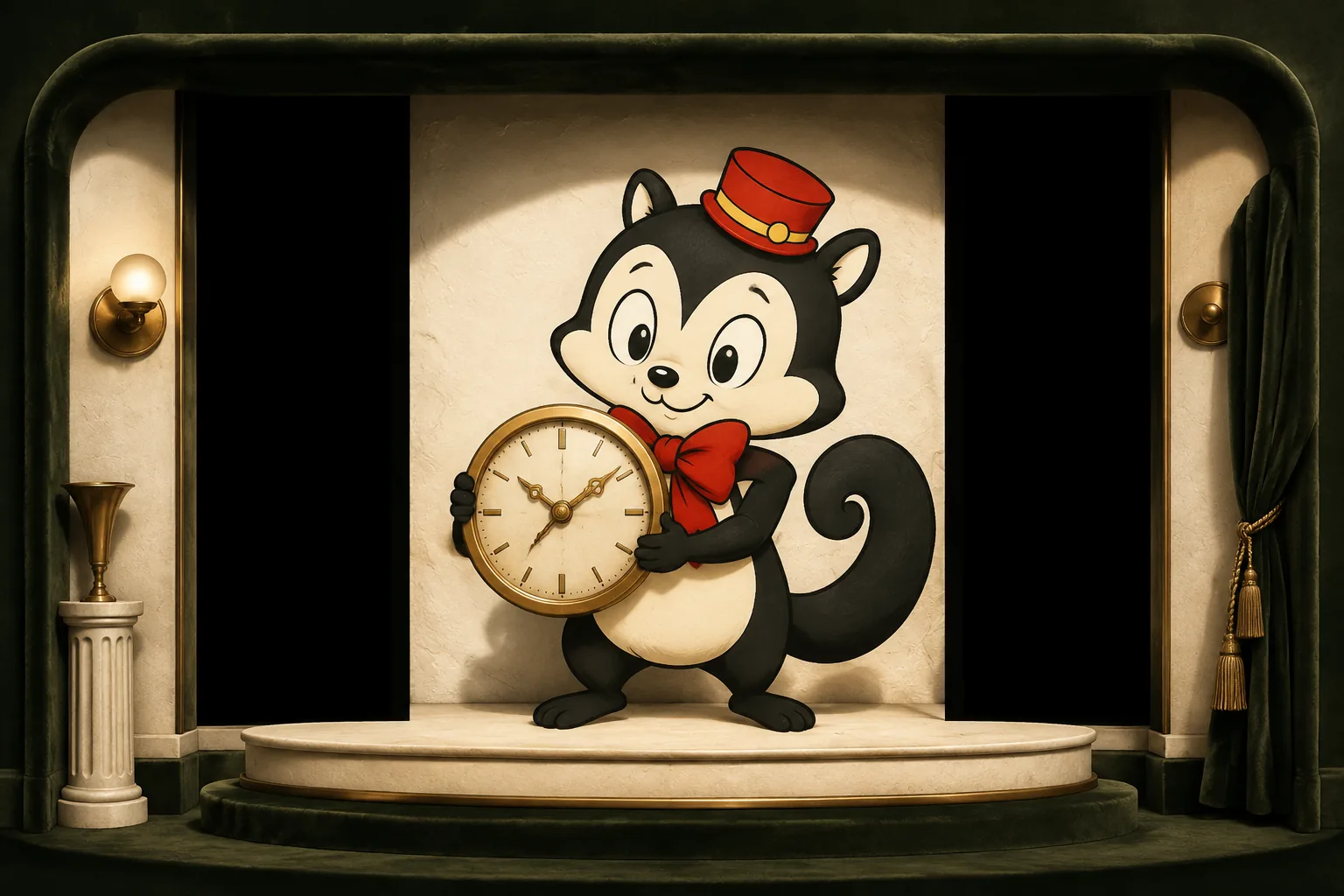
Many old movies look square because they were made for a narrower frame than today’s widescreen televisions. Silent full-frame film commonly used 4:3, or about 1.33:1; the later Academy ratio is about 1.37:1. Both are wider than they are tall, although neither looks very wide beside a modern 16:9 screen. [1] [2]
That difference explains the black bars down the sides. When a narrower picture is fitted inside a wider screen, there is space left over. Filling that space by zooming or stretching changes the image. A face may become wider, or a hand may disappear below the bottom edge.
The useful question is whether you are seeing the whole composition in the right proportions. The amount of television screen it occupies comes afterwards.
What do 4:3 and 1.37:1 mean?
An aspect ratio describes width in relation to height. A 4:3 image is four units wide for every three units high. It keeps that shape whether it is projected across a cinema wall or displayed on a phone. [1]
| Shape | Width for a height of 1 | Where you will encounter it |
|---|---|---|
| 4:3 | About 1.33 | Silent full frame and traditional television |
| Academy | About 1.37 | Much of 1930s–1950s cinema |
| 16:9 | About 1.78 | Widescreen television |
| 2.39:1 | 2.39 | A common wide theatrical format |
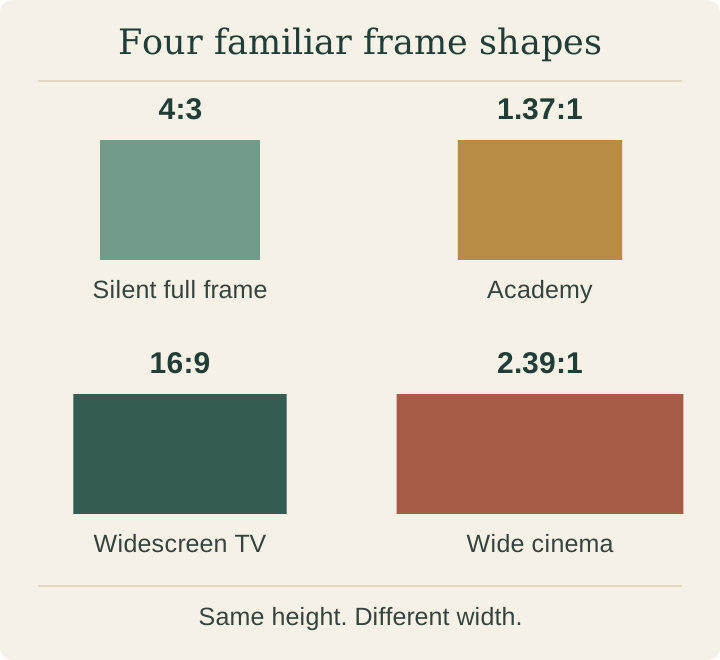
The diagram above holds every rectangle at the same height. Notice how little separates 4:3 from Academy, and how much wider 2.39:1 is than either. These are some familiar shapes rather than a list of every film format. [2]
A perfectly square image would be 1:1. “Square” is an understandable description of an old movie on a wide television, but 4:3 still has a third more width than height.
Why did early films use that shape?
The shape came from established film production and projection practice. Silent full-frame 35mm used a roughly 4:3 picture; the National Archives still holds many films intended for that frame or its Academy successor. These images were composed for narrower screens long before a modern television had to accommodate them. [1]
Sound complicated the arrangement. An optical soundtrack occupied space along the film, narrowing the available image. Studios and cinemas then faced a practical problem: camera markings and projector openings needed to agree on what the audience would see. [3]
In 1932, the Society of Motion Picture Engineers adopted the Academy aperture, following the Academy’s requirements. Mark Schubin’s research in the SMPTE Journal gives the original projection shape as 11:8, or 1.375:1. The familiar 1.37:1 label belongs to this closely related family of standards. It returned cinema to a shape only slightly wider than the silent frame. [3]
The early sound transition therefore affected the space available for a picture as well as what could be heard. If the speed of the movement also feels unfamiliar, silent-film projection speed is a separate part of that history.
Why did movies become widescreen?
Television kept the familiar 4:3 shape. As it spread through homes, Hollywood had a reason to offer an experience that felt different in a cinema. The success of This Is Cinerama in 1952 helped encourage the wave of competing widescreen systems that followed. [4]
There was more than one way to make a wider picture. CinemaScope used anamorphic optics to squeeze a wide image onto film and expand it during projection. Other formats used different film areas, masking or more elaborate camera and projection systems. 1.85:1 and 2.35:1, later 2.39:1, became familiar theatrical shapes. [4]
This was a change in presentation and composition. It did not turn every older frame into an unfinished widescreen picture. Nor does the ratio tell you whether a film is black and white or in colour: those are different choices about the image.
Why are there black bars on the sides?
Pillarboxing puts a narrow image inside a wider display with unused space at the sides. Letterboxing leaves space above and below a wider image. Which one you see depends on the relationship between the picture and your screen.
For example, fit a 4:3 picture into a 1920 × 1080 screen while keeping its proportions. At full screen height, the image occupies 1440 × 1080 pixels. That leaves 480 pixels of unused width: 240 on each side when centred. This is the geometry of fitting the two rectangles together.
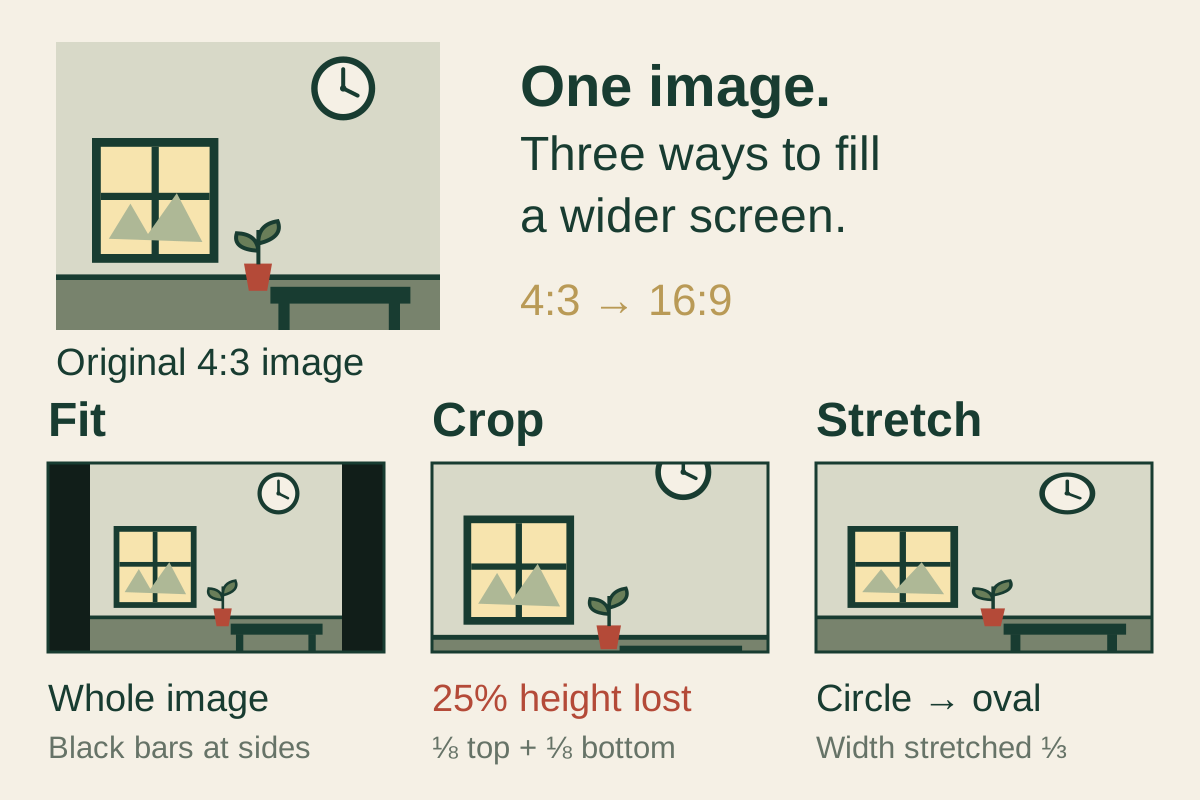
There are three basic ways to deal with mismatched shapes: keep the picture intact with spare space around it, crop it, or distort it to fit. Schubin describes these alternatives and their effects on the composition. [3]
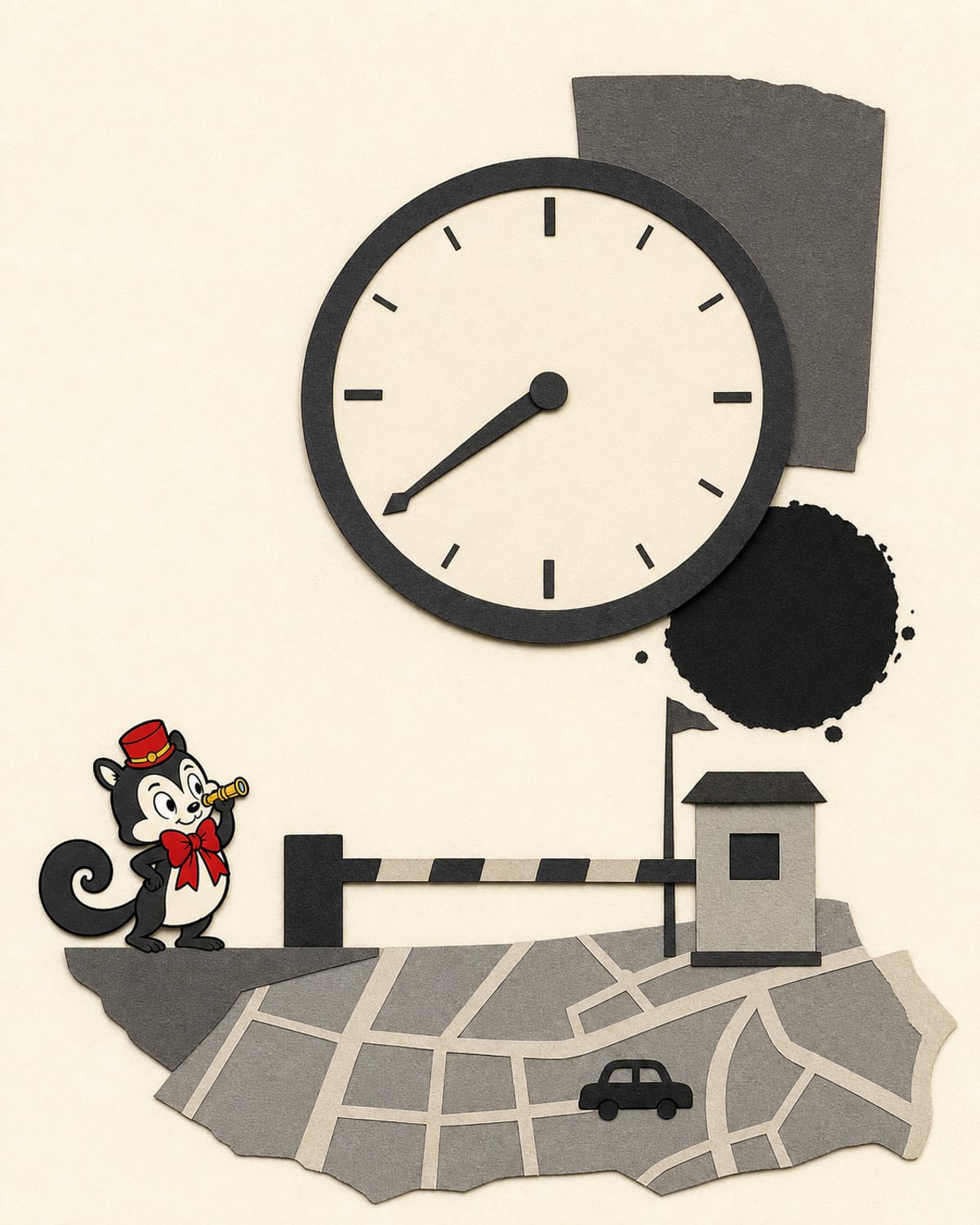
Zooming that 4:3 picture to fill a 16:9 screen makes it too tall. A centred crop removes a quarter of its original height in total—one eighth at the top and one eighth at the bottom. Stretching it horizontally keeps the contents but changes their proportions. In the first case, a clock can lose its edge; in the second, its circular face becomes an oval.
Should you remove the bars?
If the bars come from correctly fitting the film’s original shape to your screen, leave them. They allow you to see the composition without those changes. A wider television does not reveal extra scenery beyond a 4:3 frame.
There is a different problem when an old transfer has bars already built into its video image. Additional fitting can leave a border on all four sides. Check the release’s stated aspect ratio and the player’s display mode before treating every black edge as part of the intended presentation. Enlarging an existing border and cropping an actual picture are different operations.
Edition choices can also complicate the answer. The Touch of Evil version guide separates the edit of the film from the framing options offered by different releases. A ratio alone cannot tell you which cut you have.
For a silent film, the Gold Rush guide shows why the version’s narration, intertitles, score and running time matter alongside its image. Once those choices are settled, let the edges stay where they belong. There is plenty happening inside them.
Sources
Sources checked on 6 September 2026.
- Heidi Holmstrom, National Archives: The Measure of a Screen: Motion Picture Aspect Ratios in the Archives — silent full frame, Academy ratio and archival projection formats.
- National Film and Sound Archive of Australia: Aspect ratio — commonly used film and television ratios.
- Mark Schubin: Searching for the Perfect Aspect Ratio, SMPTE Journal, August 1996, pp. 460–478; especially pp. 460–461 and 470–471 — display accommodation, sound-film framing and the 1932 Academy aperture standard.
- Jay Holben, American Cinematographer: Aspect Ratios for Home Exhibition — widescreen systems, television and the effects of reframing for home viewing.
On screen
Films discussed
- The Gold Rush (1925) · Charles Chaplin
- Touch of Evil (1958) · Orson Welles
Continue exploring on Monocurator
Want a recommendation shaped around your evening? Ask Momo what to watch next →