What to expect
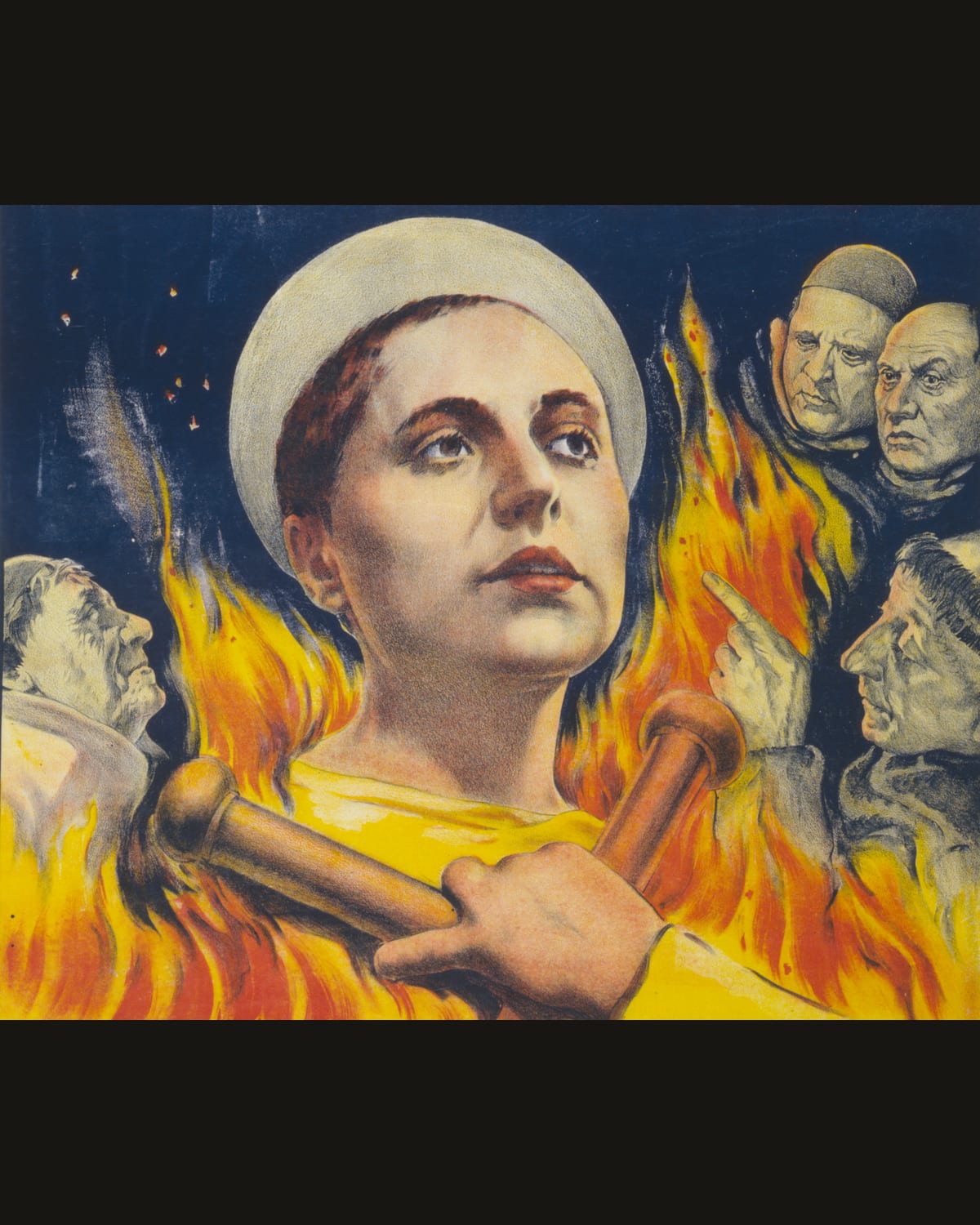
Ordet is one of cinema’s most rigorous encounters with faith. Carl Th. Dreyer stages conflict among a farming family, a religious sect, medicine, agnosticism, and Johannes, who believes himself to be Jesus. Long takes and measured camera movements give conversations physical duration, while the plain rooms make every entrance and change of position significant. The film does not reduce belief to doctrine or disbelief to failure; it tests what each can offer in the presence of love, mental suffering, birth, and death. Its final movement is famous because Dreyer has made attention itself feel like a spiritual practice.
How to ease in
The pace is slow and the discussions of faith are meant to be inhabited rather than solved quickly. Watch where people stand in relation to doors, beds, and one another; Dreyer’s camera moves sparingly but purposefully. Knowing that the film approaches a miracle does not remove its force—the preparation is the experience.
Heads-up
In a Danish farmhouse, belief and doubt wait beside a family’s ordinary work.
The rooms are quiet, but never empty. Dreyer lets belief, doubt, medicine, and grief occupy the same space without rushing to dismiss any of them.
Open the note ↓
The rooms are quiet, but never empty. Dreyer lets belief, doubt, medicine, and grief occupy the same space without rushing to dismiss any of them. By the end, watching has become a form of waiting, and waiting a form of care.
— Momo

Credits & versions
- Cast
- Henrik Malberg — Morten Borgen · Emil Hass Christensen — Mikkel · Preben Lerdorff Rye — Johannes · Cay Kristiansen — Anders
- Screenplay
- Carl Th. Dreyer
- Production
- Tage Nielsen · Palladium
- Cinematography
- Henning Bendtsen
Version map
Where to go next
Want a gentler, shorter, or stranger next film?
Ask Momo for something like this →
Momo is on shift. Visit Momo Cinema →