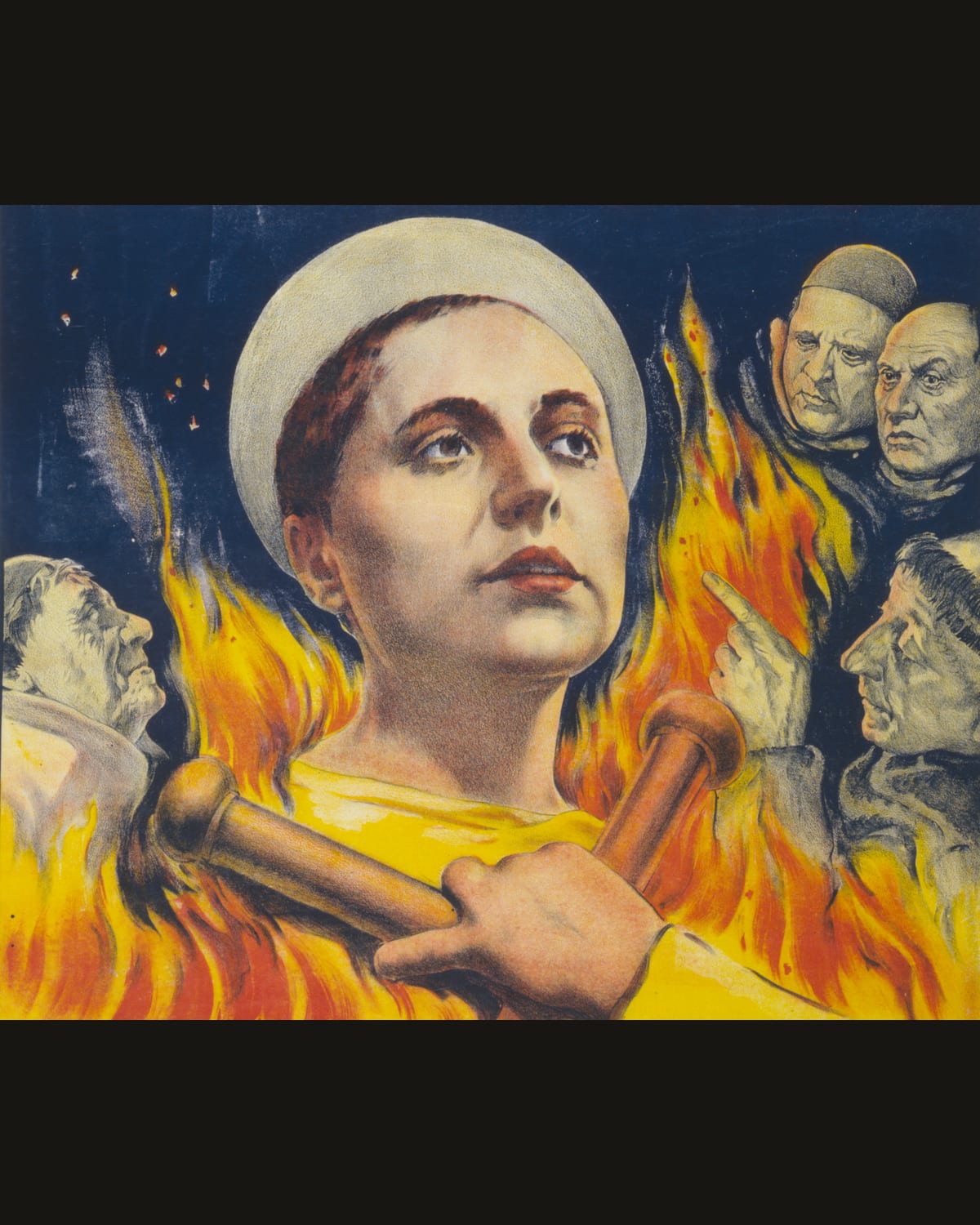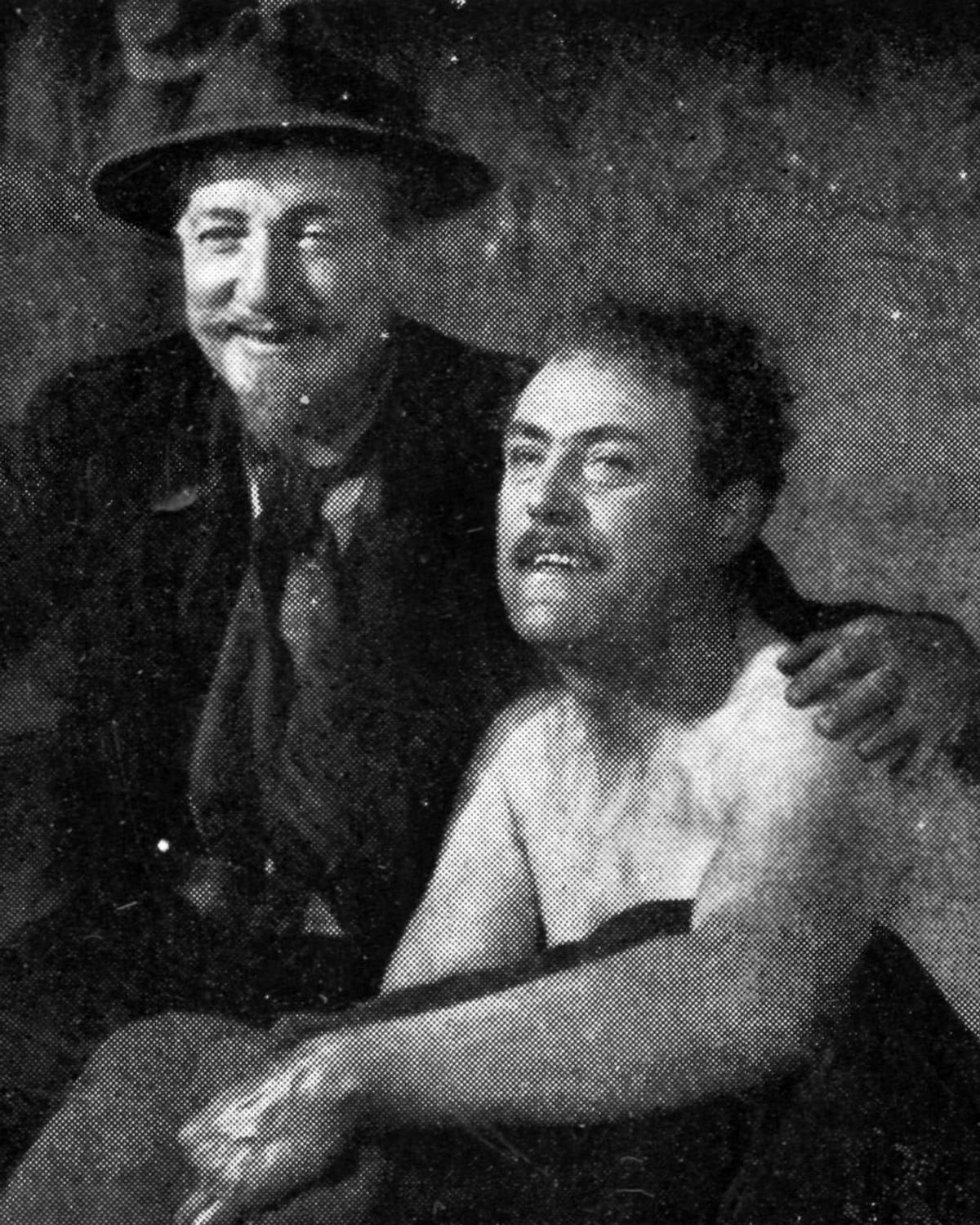
Tore Svennberg and Victor Sjöström in The Phantom Carriage

Image: Unknown photographer / Wikimedia Commons · source · Public domain

The Phantom Carriage

Körkarlen

1921 · Sweden · Directed by Victor Sjöström · 106 min

BleakStrange Approachable · For patient viewers Fantasy

The Phantom Carriage is a 1921 Swedish silent drama that folds death, regret, and possible redemption into nested flashbacks and spectral double exposures.

How were the ghosts in The Phantom Carriage made?

Julius Jaenzon and his team used multiple exposures of the same film. The setting was photographed first; the film then passed through the camera again to record the spirits against a dark background. The two images shared the frame, letting the world behind a ghost remain visible through it. The technique is described in John Gibbs and Douglas Pye’s study, note 1.

  1. 1 · The setting

    Record the background.

  2. 2 · The figure

    Expose the same film again, with the figure against darkness.

  3. 3 · The overlap

    Both images occupy the frame. The window remains visible through the figure.

A simplified double-exposure example, using an invented scene.

The difficult part was coordinating the images over time. Jaenzon kept track of film lengths and cranking speed; some shots required more than two exposures. Foreground objects also had to hide a spirit when it moved behind them. Watch those overlaps: the ghosts occupy the rooms and landscapes, rather than merely floating over a flat picture.

What to expect

The Phantom Carriage combines a moral tale, a supernatural legend, and an intricate structure of memories within memories. Victor Sjöström plays David Holm as a man whose cruelty has spread through a family and a community; the haunting forces him to see consequences he has refused to acknowledge. Julius Jaenzon’s layered exposures give the carriage and its driver a translucent physical presence rather than a simple trick effect. The film’s severe treatment of addiction, responsibility, and possible redemption influenced later Scandinavian cinema and horror, while its narrative construction still feels remarkably ambitious.

How to ease in

The nested flashbacks can be disorienting, so keep David Holm and Salvation Army worker Sister Edit as your anchors. A restored edition makes the double-exposure imagery much easier to read. The pace is solemn rather than suspense-driven; watch how repeated rooms and gestures accumulate moral weight.

Heads-up

A quick, non-exhaustive note Includes alcoholism, domestic abuse, serious illness, suicide attempts, death, child endangerment, and intense grief.
Momo's Note Who is Momo? →

On New Year’s Eve, a ghostly carriage arrives to collect more than the dead.

The ghosts are transparent, but the damage among the living is solid. What stays with me is the film’s insistence that remorse is not a feeling floating above events; it arrives only when a person is forced to see the rooms, faces, and futures altered by his actions.

Open the note ↓

The ghosts are transparent, but the damage among the living is solid. What stays with me is the film’s insistence that remorse is not a feeling floating above events; it arrives only when a person is forced to see the rooms, faces, and futures altered by his actions.

— Momo

Momo thinking about this film

Credits & versions

Credits
Cast
Victor Sjöström — David Holm · Hilda Borgström — Mrs. Holm · Tore Svennberg — Georges · Astrid Holm — Sister Edit
Production
Charles Magnusson · Svensk Filmindustri
Cinematography
Julius Jaenzon

Version map

Criterion digital restoration with Swedish Film Institute archive collaboration106 min · restoration · USCriterion includes two score options, while the Swedish Film Institute lists live-music and recorded-score presentations. These are presentation choices, not evidence of separate story cuts.Runtime reference · Checked 2026-08-02

Where to go next

Want a gentler, shorter, or stranger next film? Ask Momo for something like this →
Momo is on shift. Visit Momo Cinema →
Continue through the catalogue →