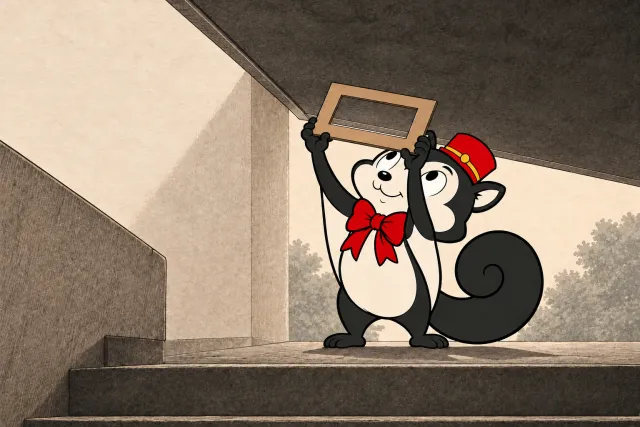
Film craft · Nº 01
Why Does a Ceiling Feel Low? From Rooms to Citizen Kane
Separate measured ceiling height, perceived space and mood. Research and Citizen Kane reveal how rooms and pictures give different evidence.
Journal topic
Essays connecting cinematography with cinema and the act of looking.
Film craft · Nº 01
Separate measured ceiling height, perceived space and mood. Research and Citizen Kane reveal how rooms and pictures give different evidence.
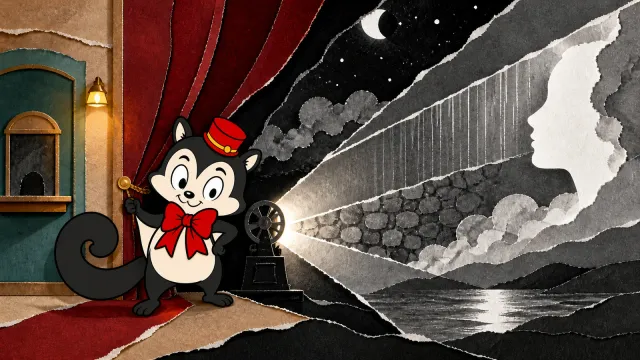
See Films Differently · Nº 02
Chiaroscuro uses strong contrasts between light and dark. See how it shapes faces and spaces in The Third Man, and why it is not confined to black-and-white film.
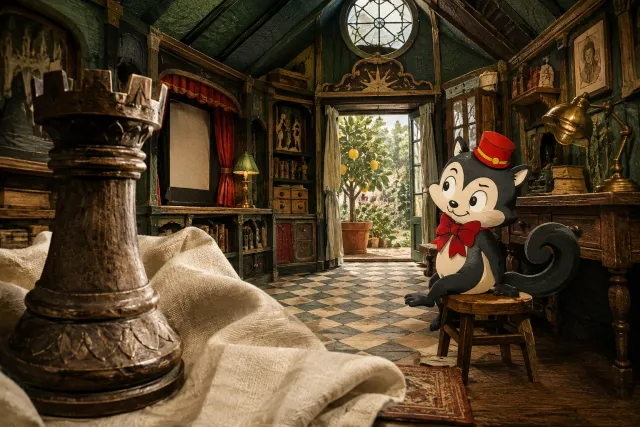
See Films Differently · Nº 03
What is deep focus in film? Learn how it differs from shallow focus, deep-space staging and rack focus, with clear examples from Citizen Kane.
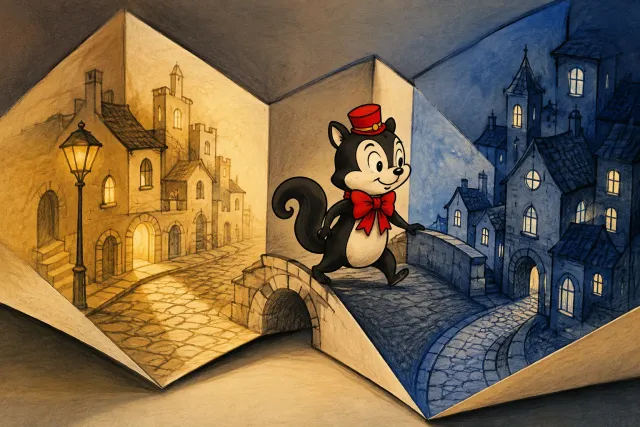
See Films Differently · Nº 04
Blue night scenes and amber interiors often belong to a silent film’s original presentation. Compare tinting with toning and learn why restorations differ.
See Films Differently · Nº 05
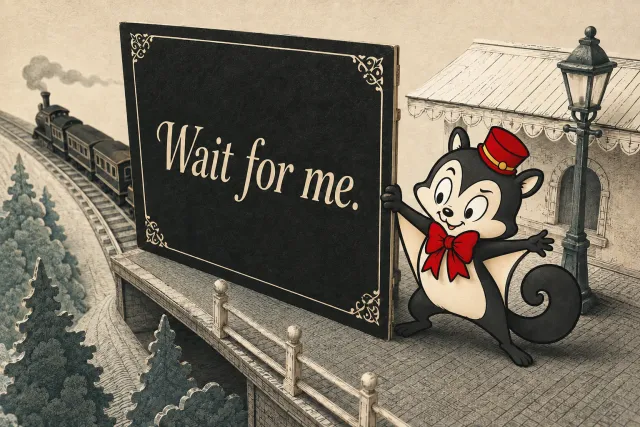
An intertitle is a text card between shots. See how Hitchcock, Manhatta and The Gold Rush use them—and how they differ from subtitles.
See Films Differently · Nº 06
Birdman joins separate takes to look continuous. Compare its hidden cuts with Rope and Touch of Evil, and see what long takes do with space, time and suspense.
See Films Differently · Nº 07
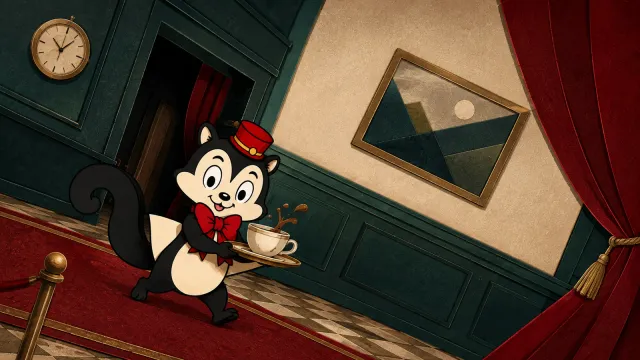
A Dutch angle rolls the camera sideways. See how it differs from a pan or tilt, and how The Third Man and Batman use canted framing for different effects.
See Films Differently · Nº 08
The Third Man uses Dutch angles — a deliberately tilted camera — to make postwar Vienna feel unstable. See how crooked shots alter space, trust and moral balance.