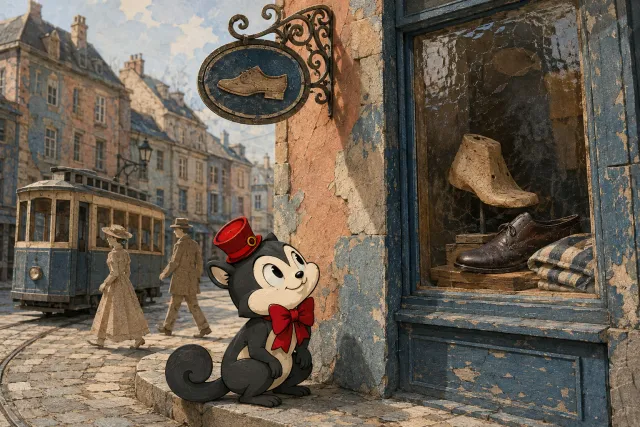
See Films Differently · Nº 01
When the Backgrounds in Old Films Become the Main Attraction
Why can an old film's shopfronts and passing traffic become as absorbing as its story? Look again with People on Sunday and A Trip Down Market Street.
Journal topic
Essays connecting film history with cinema and the act of looking.
See Films Differently · Nº 01
Why can an old film's shopfronts and passing traffic become as absorbing as its story? Look again with People on Sunday and A Trip Down Market Street.
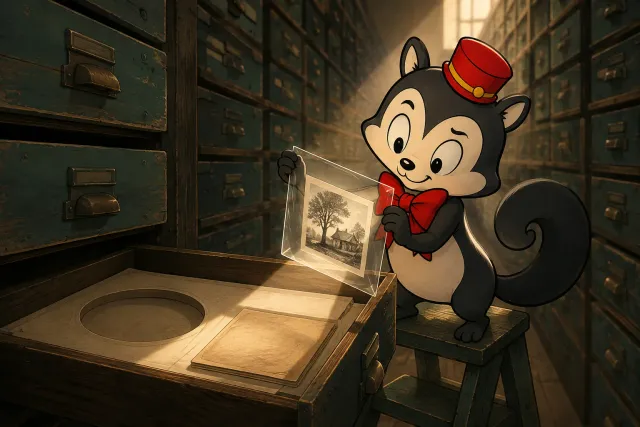
See Films Differently · Nº 02
Nitrate is the flammable plastic base of much early cinema. Learn how it differs from safety film, why films disappear, and what restoration can preserve.
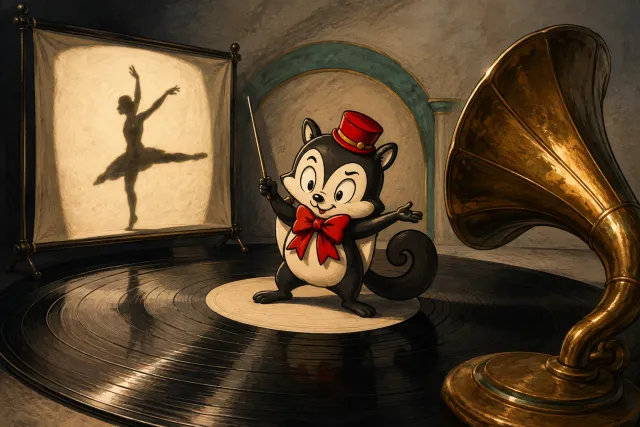
See Films Differently · Nº 03
A talkie is a film with recorded, synchronised speech. See how The Jazz Singer, Blackmail and Modern Times changed what audiences could hear.
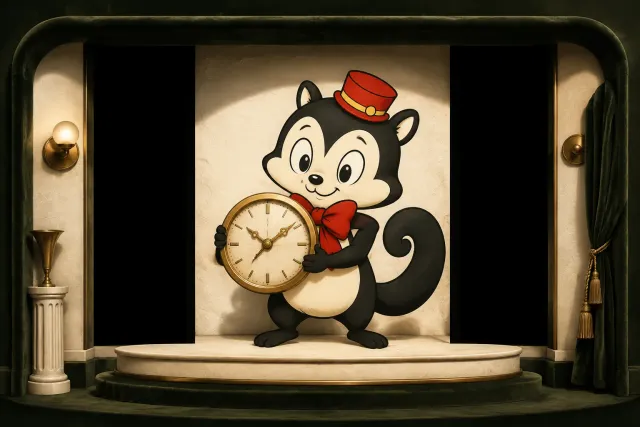
See Films Differently · Nº 04
Why old films look square, what 4:3 and Academy ratio mean, and why the black bars on your TV may be keeping the whole picture intact.
See Films Differently · Nº 05
Hear the difference between an old-film accent, a performance and a recording, with Cary Grant, Katharine Hepburn and two comedies from 1940.
See Films Differently · Nº 06
What does pre-Code Hollywood mean? Understand the Hays Code, the change in 1934, and the dialogue, endings and restored versions of three films.
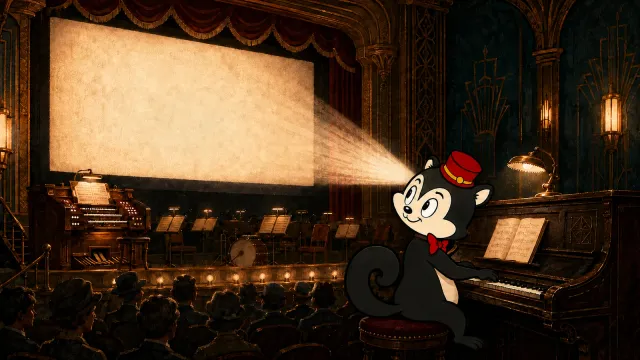
See Films Differently · Nº 07
Silent films usually had live music from a pianist, organist, ensemble or orchestra. Learn how cue sheets worked and why modern editions can sound different.
See Films Differently · Nº 08
It’s a Wonderful Life became a Christmas ritual through television repetition—then rights control turned its abundance into an annual appointment.