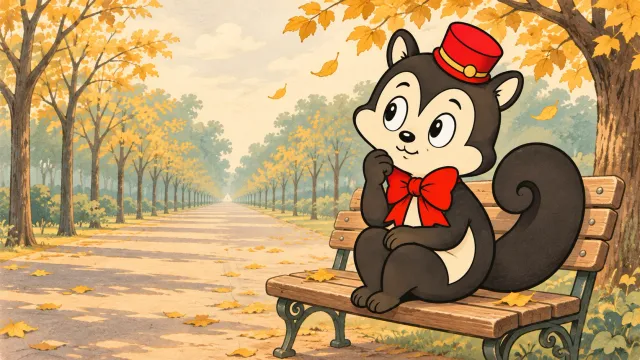
See Films Differently · Nº 01
The Third Man Ending Explained: Why Anna Ignores Holly
Why does Anna walk past Holly in The Third Man? Understand her loyalty to Harry, Holly's decision and how the final shot rejects a romantic ending.
Journal topic
Close readings of scenes and characters, alongside essays that use an everyday question to look at a film differently.
See Films Differently · Nº 01
Why does Anna walk past Holly in The Third Man? Understand her loyalty to Harry, Holly's decision and how the final shot rejects a romantic ending.
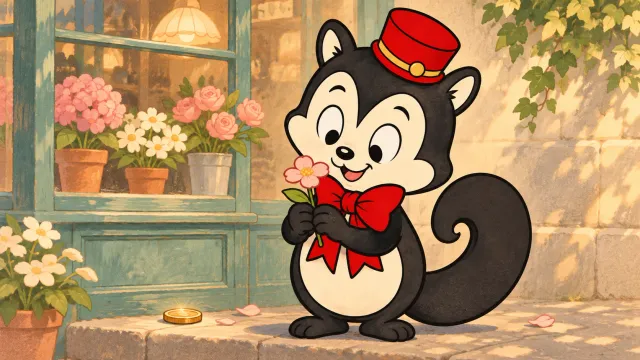
See Films Differently · Nº 02
The flower girl recognises the Tramp by touch. Explore what City Lights’ final scene reveals about his identity, her sight and their uncertain future.
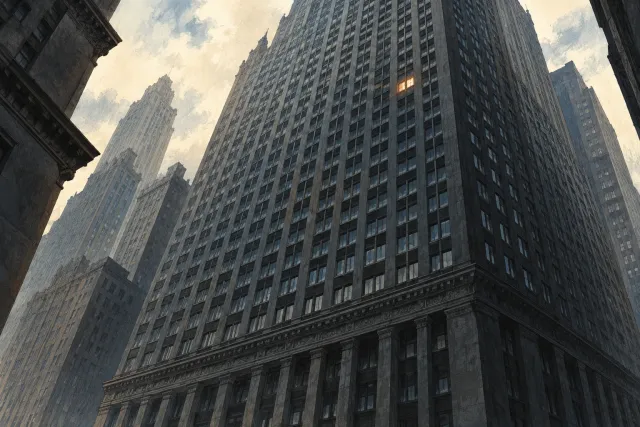
See Films Differently · Nº 03
Follow King Vidor's office-camera movement in The Crowd, from a city facade to one desk, and see how scale makes a worker visible.

See Films Differently · Nº 04
A well, a boat, a hill and the crops turn water into work in Kaneto Shindo's The Naked Island. Follow the route, sound and view.
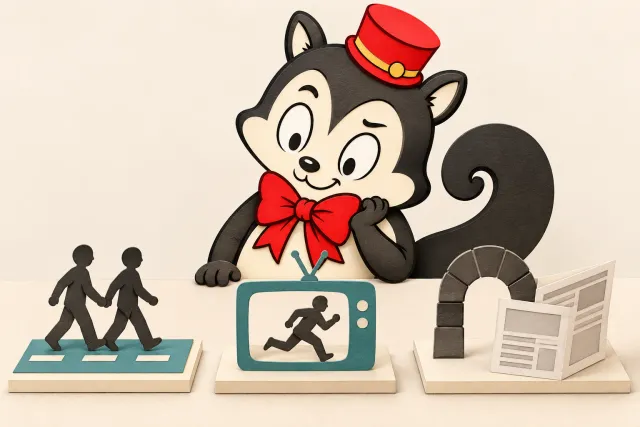
See Films Differently · Nº 05
The Long Walk and The Running Man make survival a spectacle. Ace in the Hole asks who benefits when a rescue is delayed.
See Films Differently · Nº 06
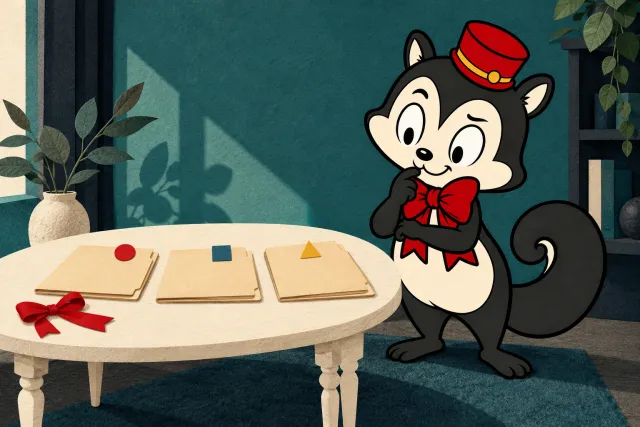
The Drama raises a difficult question about love, forgiveness and future trust. In a Lonely Place shows why one answer cannot settle them all.
See Films Differently · Nº 07
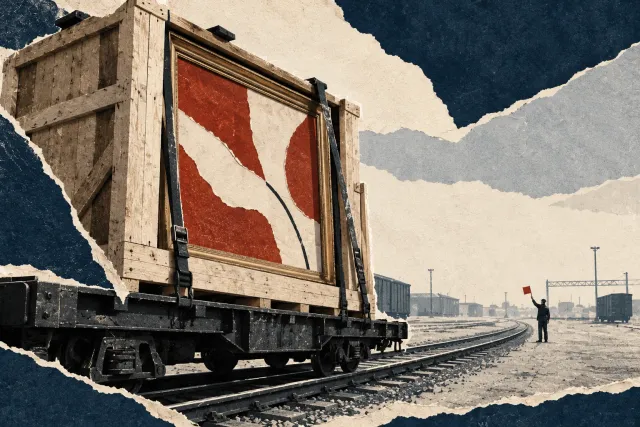
The Train puts an art-loving thief against a reluctant railway worker. What separates admiration, possession and the work of saving a painting?
See Films Differently · Nº 08
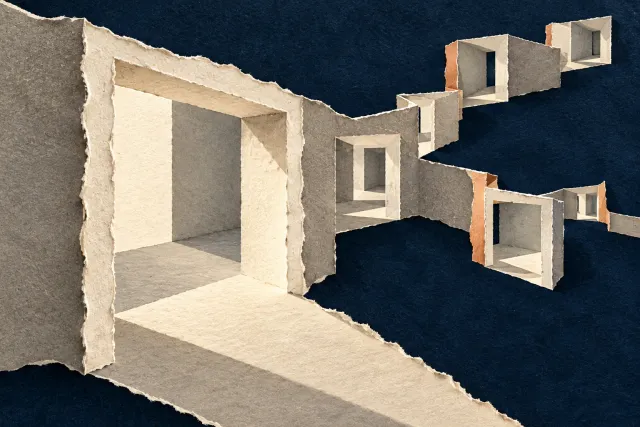
An open doorway can still fail as an exit. Buñuel's dinner party and the Backrooms premise ask what makes movement mean freedom.
Film analysis · Nº 09
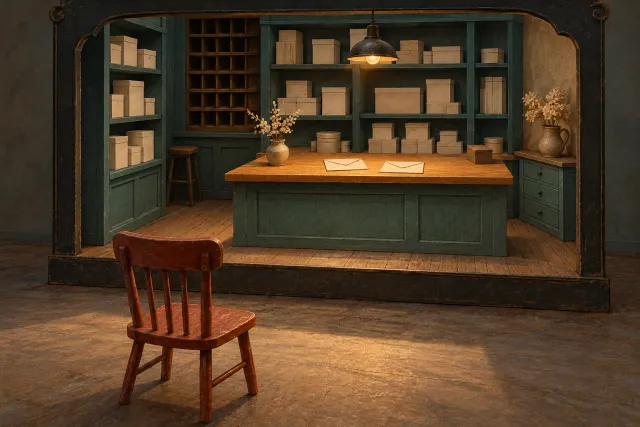
How Lubitsch's letters and café meeting place spectators outside the obligation to reply. A close reading of The Shop Around the Corner.
Film technique · Nº 10
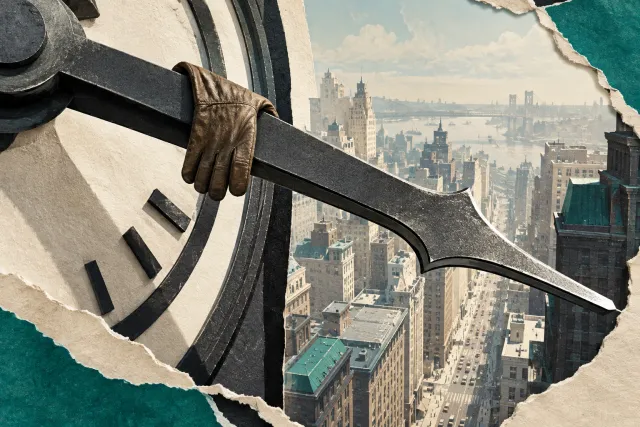
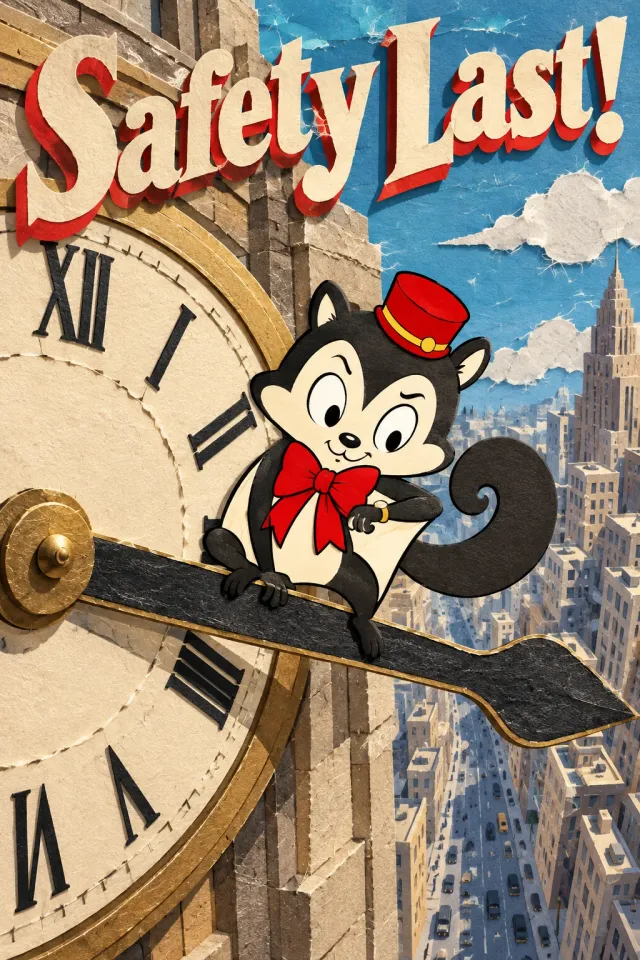
How Harold Lloyd’s clock climb combines rooftop sets, concealed platforms and a chosen view, with a modern comparison from The Walk.
See Films Differently · Nº 11
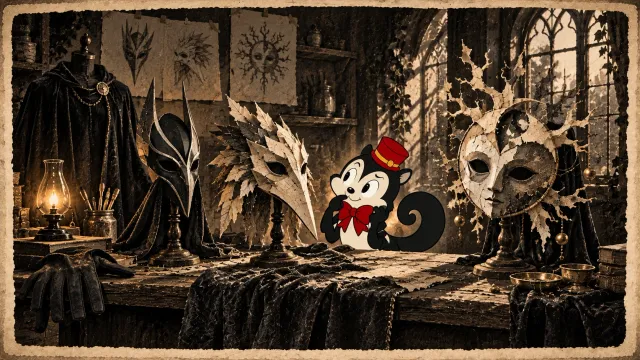
Why a covered face can make a character more memorable: five designs, from Kylo Ren’s silver lines to the bird-headed Judex and Majora’s Mask.
See Films Differently · Nº 12
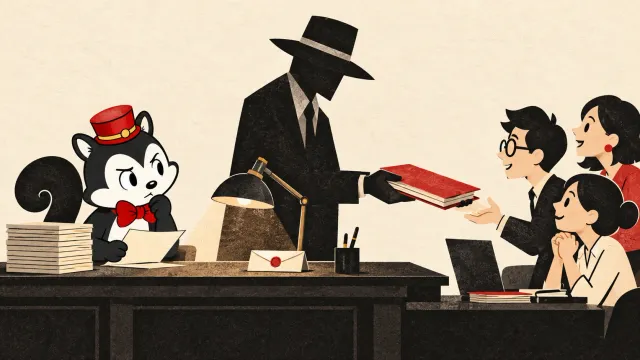
Sweet Smell of Success raises a career question: after an introduction, does your work gain witnesses, or does the next brief still depend on one person?
See Films Differently · Nº 13
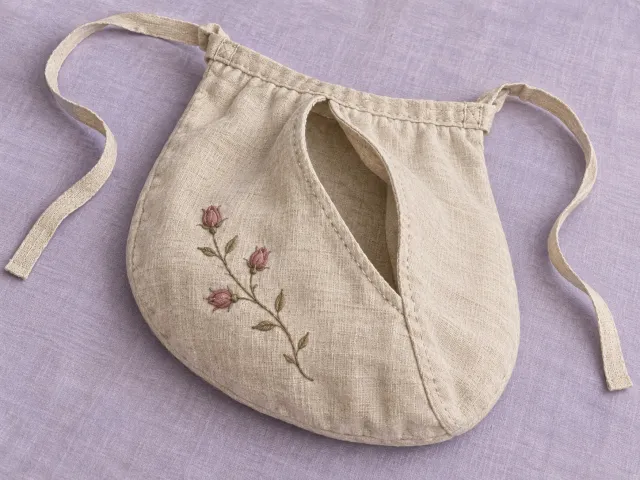
How tie-on pockets worked, what theft accounts can and cannot tell us about their contents, and a hand-and-wallet detour to Bresson’s Pickpocket.

See Films Differently · Nº 14
How a small selection, expensive neighbours and familiarity can affect a choice, with a camera experiment and the uniform in The Last Laugh.

See Films Differently · Nº 15
Petrichor, soil-derived material and a drop’s aerosol mechanism explain different things from liking the smell, with a deliberate Pather Panchali comparison.

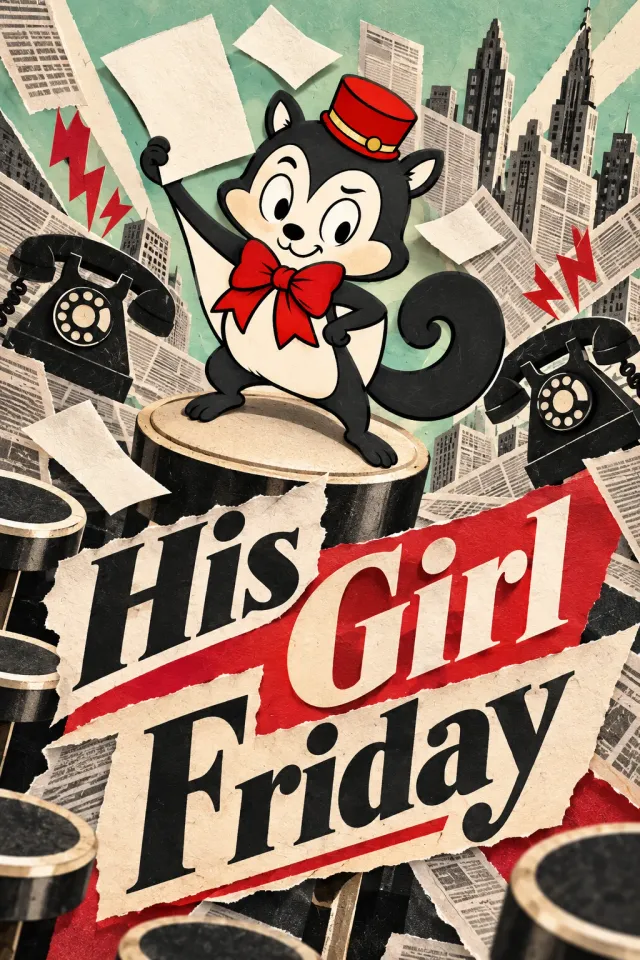
See Films Differently · Nº 16
How to compare dialogue, loud effects, playback settings and the room using conditional checks from device manuals, with a His Girl Friday detour.

See Films Differently · Nº 17
How Silbo Gomero carries Spanish in whistles, what learners practise and why a limited vowel test differs from conversation, with a Pygmalion detour.

See Films Differently · Nº 18
Liking a film and explaining it ask different things: jam and poster studies, a Hulot misunderstanding and a way to start describing what caught you.
See Films Differently · Nº 19
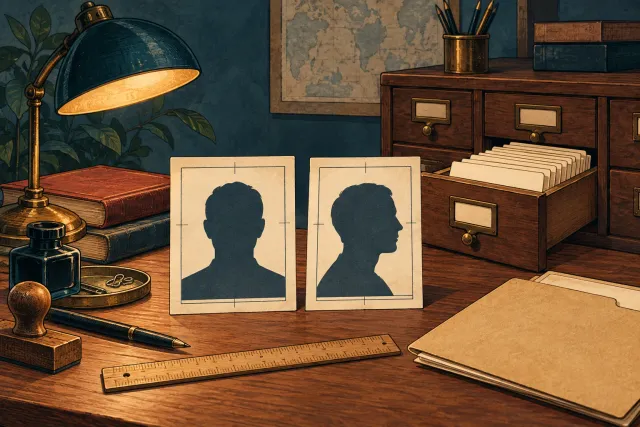
How Bertillon combined measurements, photographs and classified records, and what identification can establish, with a detour to The Wrong Man.
See Films Differently · Nº 20
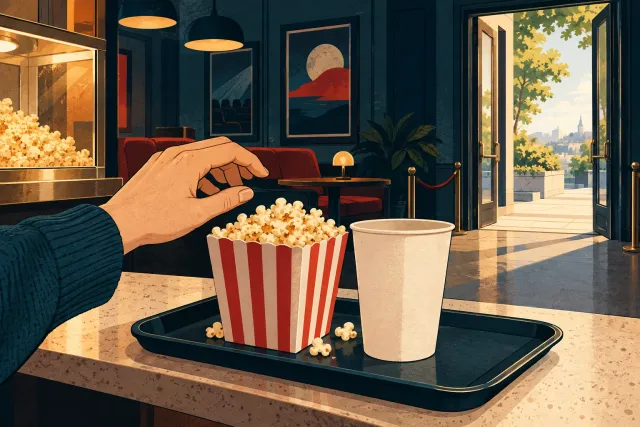
Why an action does not reveal how strongly you wanted it: small preferences, specific habit studies and a marked ending discussion of Marty.

See Films Differently · Nº 21
An invented family shows why eight ancestor positions can contain six people, before Kind Hearts and Coronets asks what a chart is for.

See Films Differently · Nº 22
How museum dinosaur mounts combine fossils, copies, reconstructed gaps and revised poses, with a missing-bone detour to Bringing Up Baby.

See Films Differently · Nº 23
How Britain’s concrete acoustic mirrors gathered engine noise: reflected sound, receiver placement and a small listening detour to Fritz Lang’s M.
See Films Differently · Nº 24
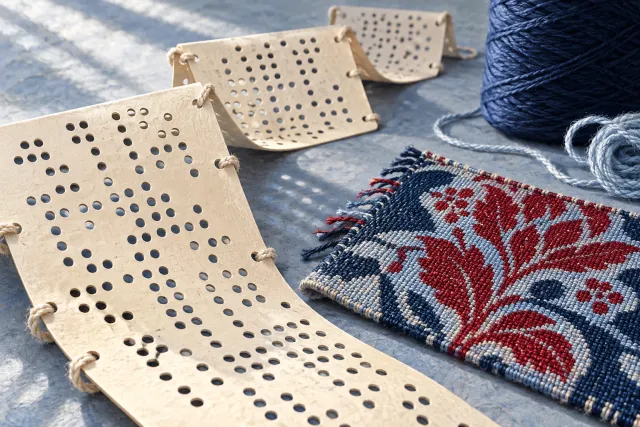
How punched cards select raised warp threads and turn successive crossings into a woven pattern, with a detour to The Man in the White Suit.

See Films Differently · Nº 25
Can an opinion be wrong? Explore taste, factual beliefs and what a recommendation asks us to trust, with a visit to The Shop Around the Corner.

See Films Differently · Nº 26
A freezer-aisle detour and a scene from People on Sunday: how an encounter can shape what we want, without making discovery another assignment.
See Films Differently · Nº 27
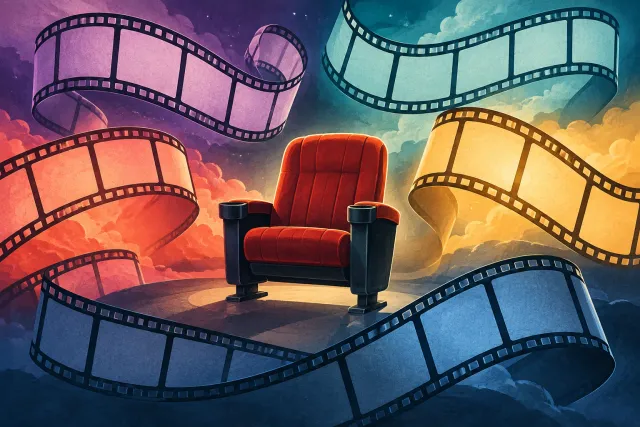
Momo recruits The Purple Rose of Cairo, Edward Scissorhands, Pig, Charade and Mulholland Drive, then suggests four routes into predominantly monochrome cinema.

See Films Differently · Nº 28
Companionship, care, costs and grief: what happiness research can tell us about living with a cat, with a detour to the black-and-white comedy Rhubarb.
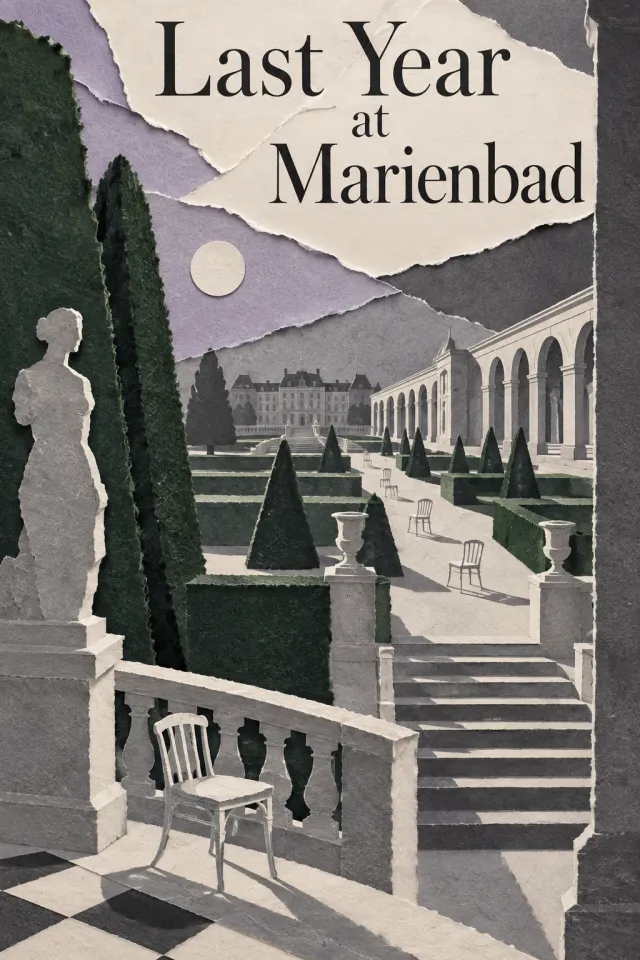
See Films Differently · Nº 29
Devon and Cornwall’s cream-tea traditions, a laboratory’s spreading experiment, and Momo’s unexpected detour to Last Year at Marienbad.
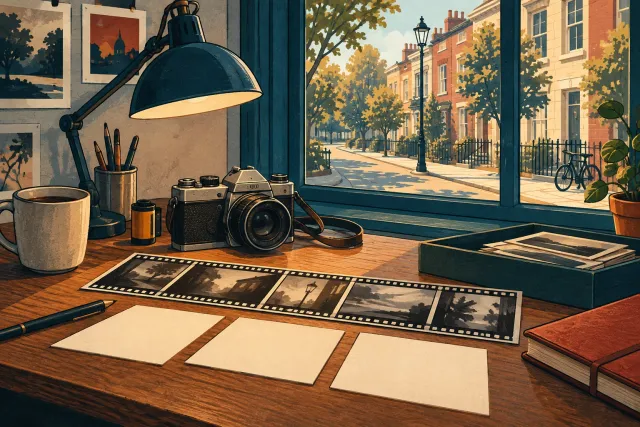
See Films Differently · Nº 30
Real streets, staged traffic and fictional outings: what A Trip Down Market Street and People on Sunday can establish about everyday life.
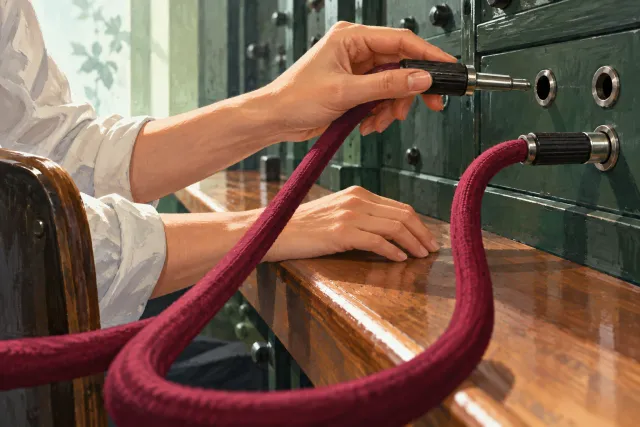
See Films Differently · Nº 31
How an operator connected a manual telephone call, from answering plugs and ringing switches to the flood warnings in Telephone Operator (1937).

See Films Differently · Nº 32
How stepped glass and a rotating optic turn steady lamplight into a recognisable flash, with Point Reyes and Michael Powell’s The Phantom Light.
See Films Differently · Nº 33
How Linotype spacebands widened the gaps between words, and why correcting one letter meant casting a new line of type.
See Films Differently · Nº 34
How Ruth Belville carried a checked pocket watch from Greenwich to London subscribers, while telegraph signals and radio pips joined the story.
See Films Differently · Nº 35
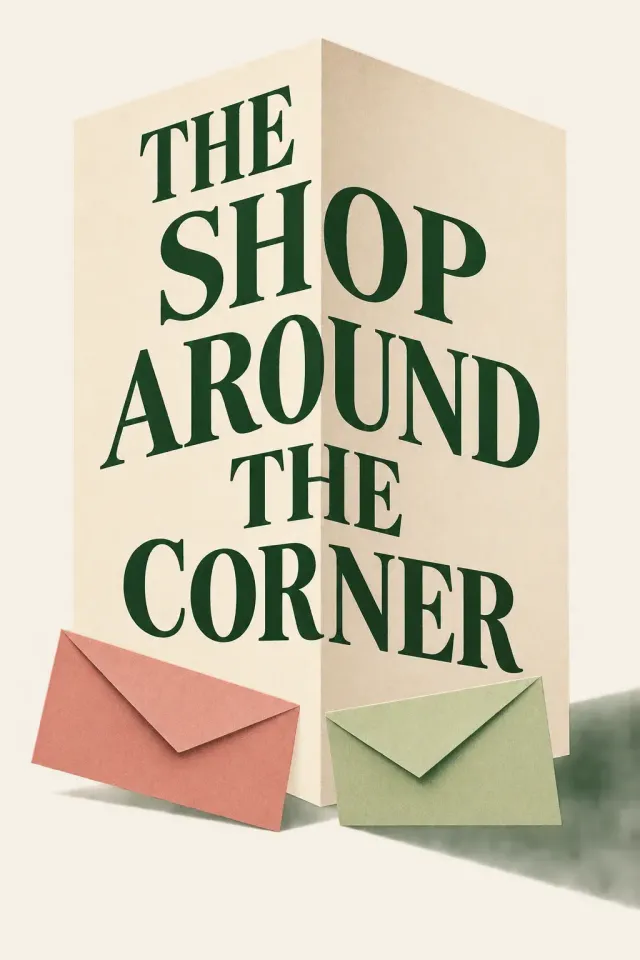
The American dead-letter problem blocked delivery and return. Dated postal rules and The Shop Around the Corner reveal two different kinds of missing information.
See Films Differently · Nº 36
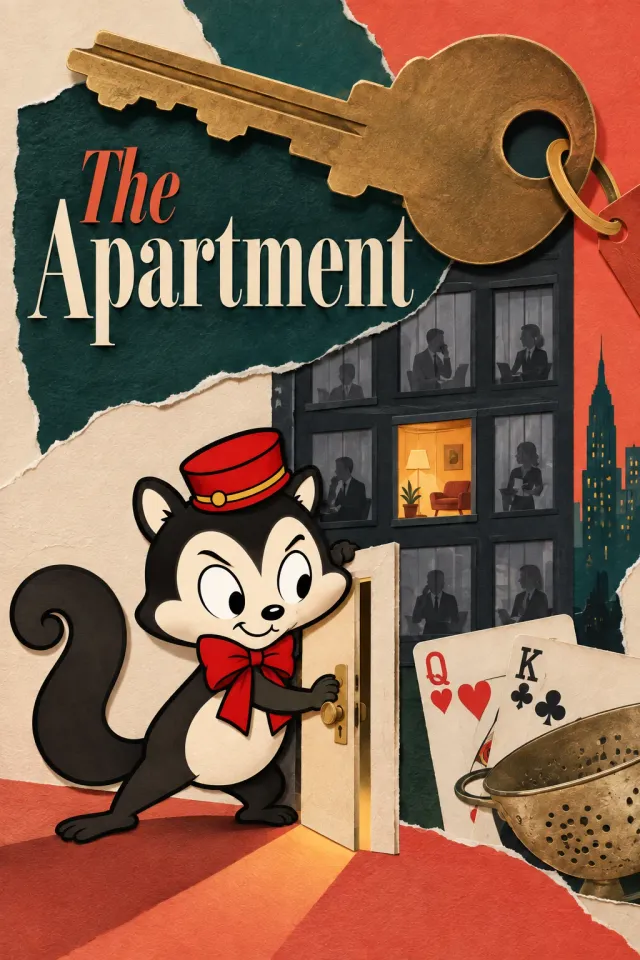
What an elevator operator did depended on the controls and the passengers. Otis records, a Smithsonian workplace and The Apartment show the differences.
See Films Differently · Nº 37
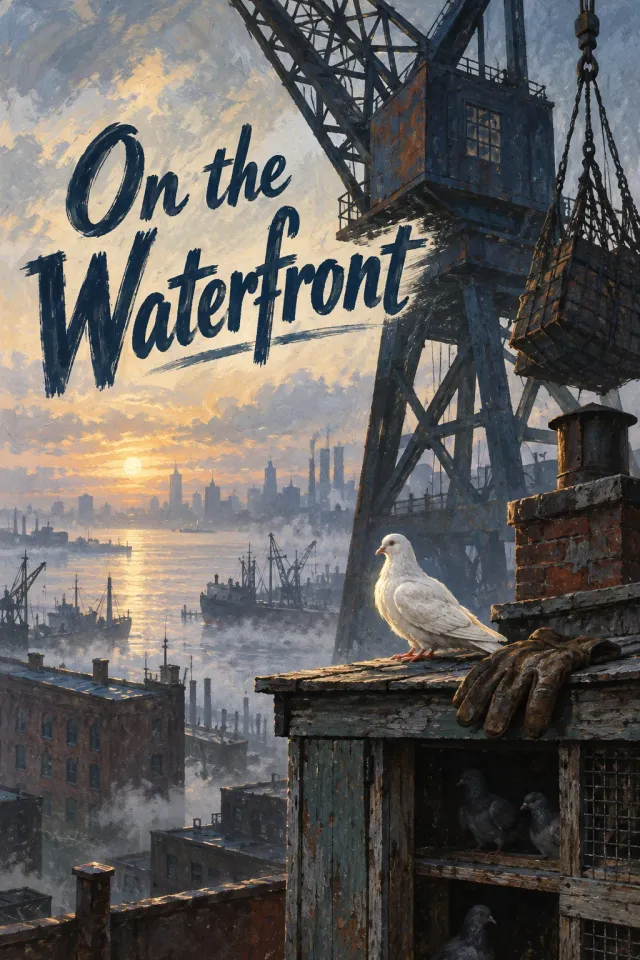
How container fittings and compatible equipment reshaped ports, and why On the Waterfront asks a separate question about who controls the work.
See Films Differently · Nº 38
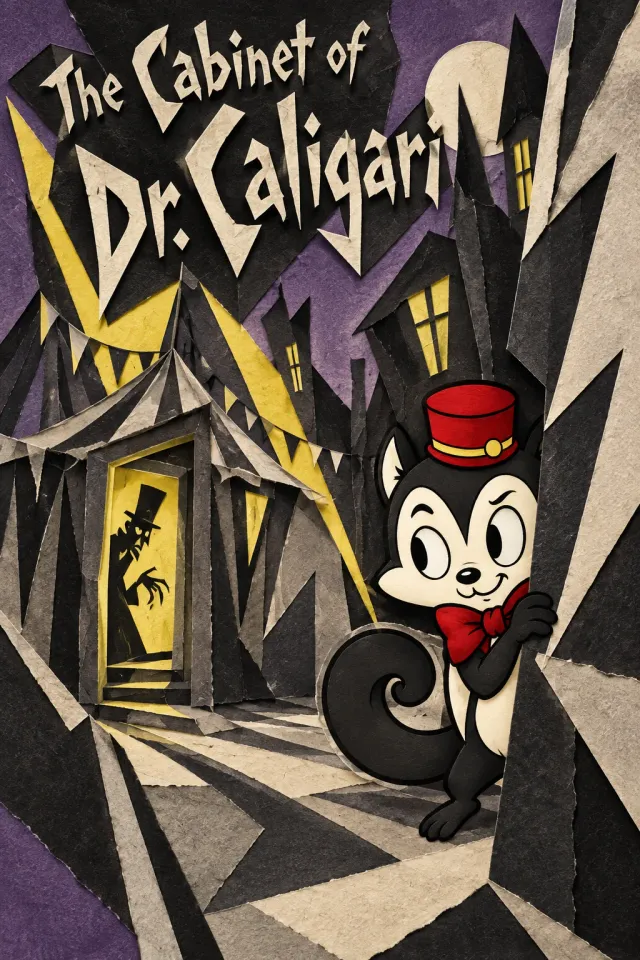
German Expressionism in cinema gives sets, bodies and crowds a visible shape. Caligari, Metropolis and Nosferatu show why one formula cannot explain it.
See Films Differently · Nº 39
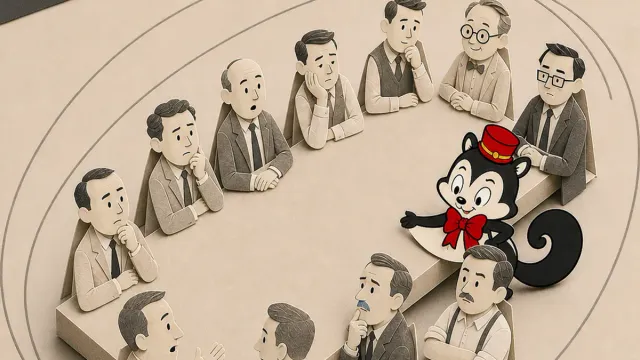
A jury room can hold a large argument; a constructed city can make small encounters count. 12 Angry Men and PlayTime test what we mean by a big film.
See Films Differently · Nº 40
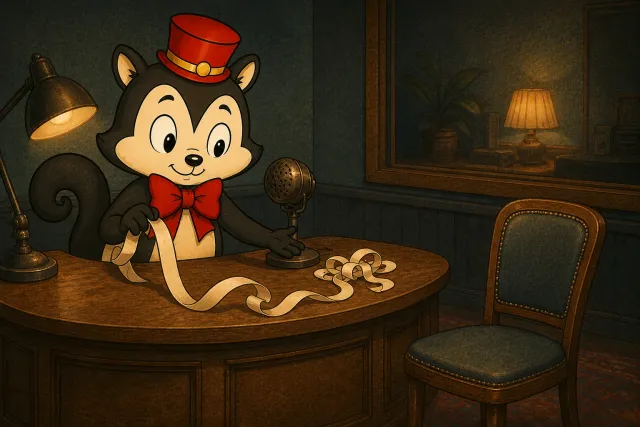
Film noir involves more than shadows and hats. Double Indemnity and The Hitch-Hiker show how desire, danger and restricted choices shape the tradition.
See Films Differently · Nº 41
You did it last time. Does that mean you owe it again? The Apartment and High Noon help separate expectations, promises and accepted responsibilities.
See Films Differently · Nº 42
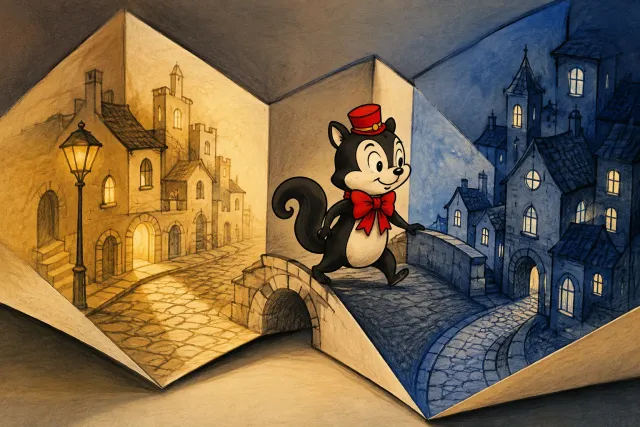
When did colour reach cinema? Hand-colouring, Kinemacolor and three-strip Technicolor explain why the first colour movie needs a precise definition.
See Films Differently · Nº 43
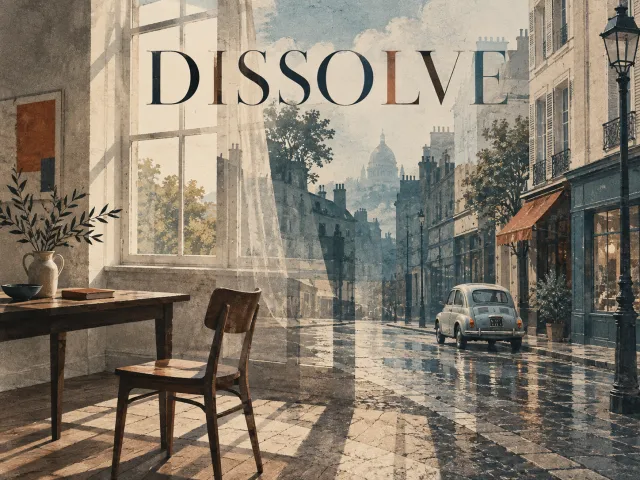
How a dissolve lets two images overlap, how it differs from a fade, and why the transition can do more than move a story forward in time.
See Films Differently · Nº 44
How a jump cut makes missing time visible, why it differs from fast cutting and elliptical editing, and what Breathless helped filmmakers discover.
See Films Differently · Nº 45
Why did Hitchcock’s Rebecca change murder into an accident? Follow the Production Code dispute and the questions left after Maxim explains the death.
See Films Differently · Nº 46
The film Norma watches is Queen Kelly. See how Gloria Swanson’s real performance becomes a fictional star’s past, with a modern Minions comparison.

See Films Differently · Nº 47
Why watch The Face of Another after No Longer Human? Compare Yōzō’s clowning with Okuyama’s new face, and what each performance asks of other people.
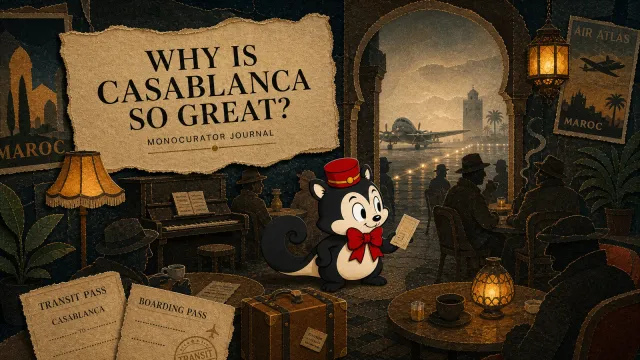
See Films Differently · Nº 48
Why is Casablanca so great? Its romance, wit and music all drive Rick to one ending: he proves his love for Ilsa by helping her leave with Laszlo.
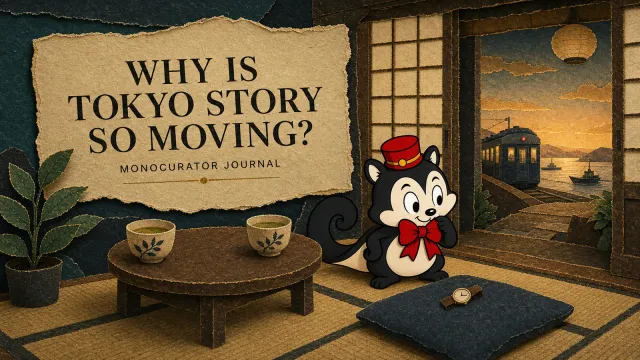
See Films Differently · Nº 49
Tokyo Story moves us without villains or grand speeches. Its ordinary delays, quiet rooms and imperfect kindness turn family love into irreversible regret.
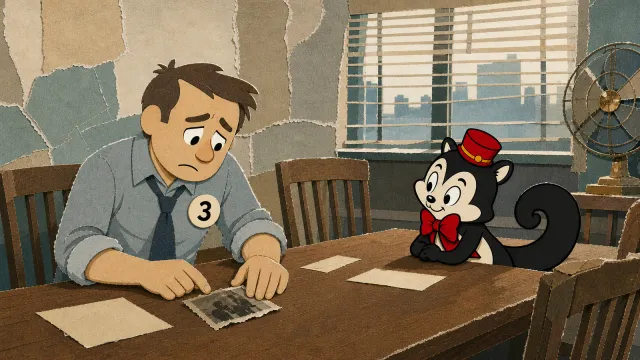
See Films Differently · Nº 50
Juror 3 says his son hit him and they have not met for two years. Follow his own threat and the final photograph to see how that history shapes his vote.