Film analysis
The Third Man Ending Explained: Why Anna Ignores Holly
Why does Anna walk past Holly in The Third Man? Understand her loyalty to Harry, Holly's decision and how the final shot rejects a romantic ending.
Film analysis
Why does Anna walk past Holly in The Third Man? Understand her loyalty to Harry, Holly's decision and how the final shot rejects a romantic ending.
Film analysis
The flower girl recognises the Tramp by touch. Explore what City Lights’ final scene reveals about his identity, her sight and their uncertain future.
Film analysis
Follow King Vidor's office-camera movement in The Crowd, from a city facade to one desk, and see how scale makes a worker visible.
Film analysis
A well, a boat, a hill and the crops turn water into work in Kaneto Shindo's The Naked Island. Follow the route, sound and view.
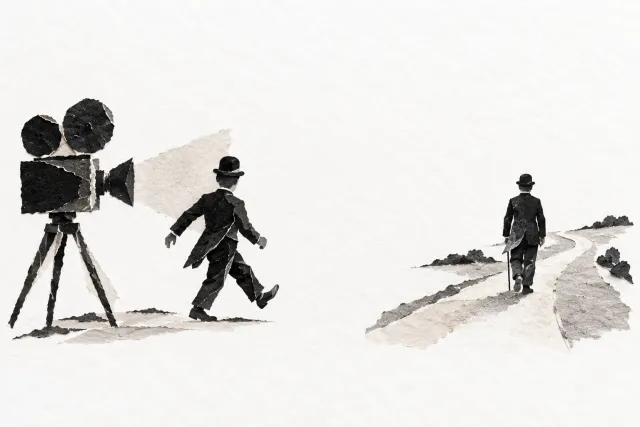
Silent comedy
Five shorts from 1914 and 1915 trace Chaplin’s Tramp from demanding attention to disappointment, responsibility and a rescue that belongs to a dream.
What to watch next
The Long Walk and The Running Man make survival a spectacle. Ace in the Hole asks who benefits when a rescue is delayed.
Film analysis
The Drama raises a difficult question about love, forgiveness and future trust. In a Lonely Place shows why one answer cannot settle them all.
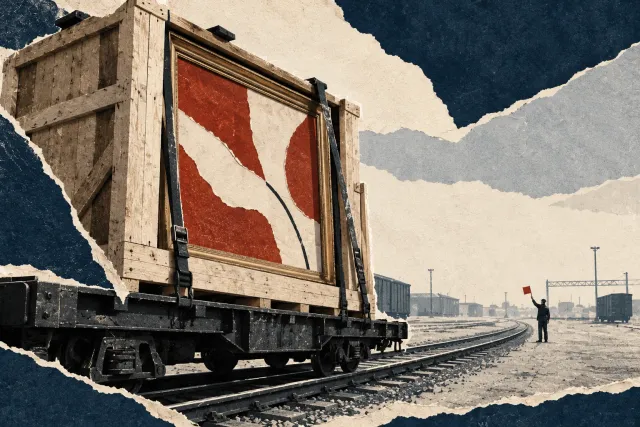
Film analysis
The Train puts an art-loving thief against a reluctant railway worker. What separates admiration, possession and the work of saving a painting?

Film analysis
An open doorway can still fail as an exit. Buñuel's dinner party and the Backrooms premise ask what makes movement mean freedom.
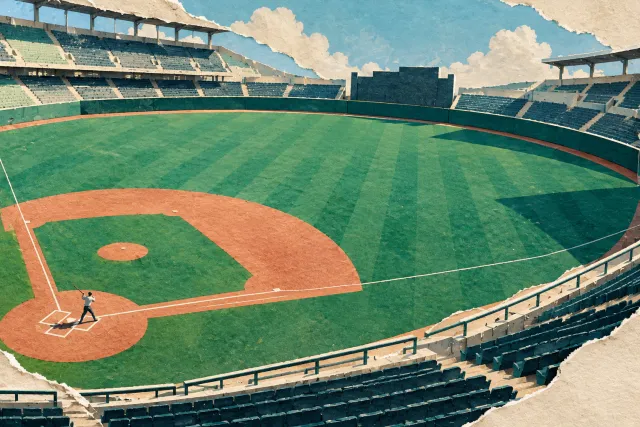
Film craft
Keaton’s solo game in The Cameraman opens a question about baseball: how can the same starting shape hold a different situation?
Film craft
Separate measured ceiling height, perceived space and mood. Research and Citizen Kane reveal how rooms and pictures give different evidence.
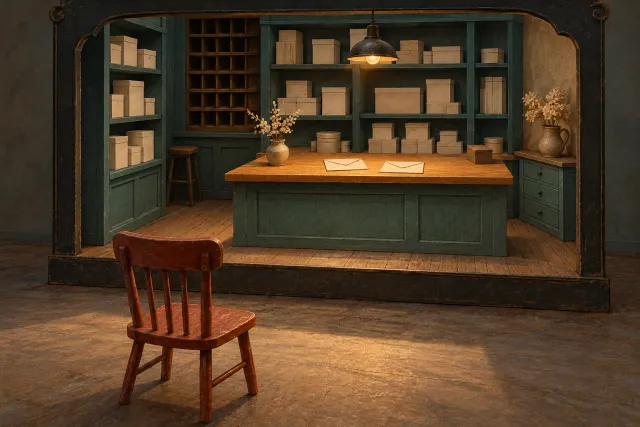
Film analysis
How Lubitsch's letters and café meeting place spectators outside the obligation to reply. A close reading of The Shop Around the Corner.
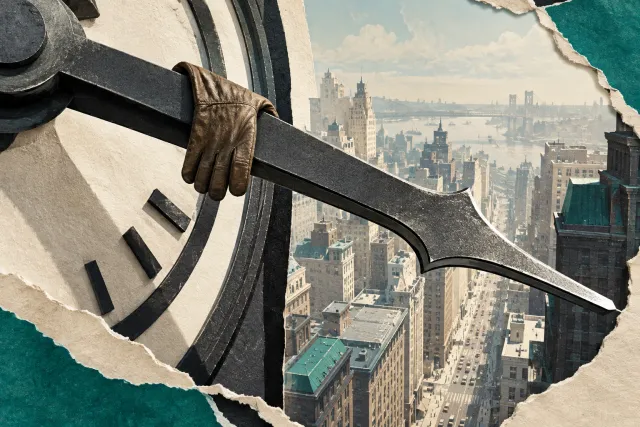
Film technique
How Harold Lloyd’s clock climb combines rooftop sets, concealed platforms and a chosen view, with a modern comparison from The Walk.

Momo Notices
Why some rain sounds can settle into the background while others keep you alert: masking, surfaces, shelter and the limits of the research.
Momo Notices
Compare Heathrow, Kew and Cardiff rainfall with the same period and rain-day threshold, then take Momo’s London detour into It Always Rains on Sunday.
Momo Notices
Why a covered face can make a character more memorable: five designs, from Kylo Ren’s silver lines to the bird-headed Judex and Majora’s Mask.
Momo Notices
Shelley’s creature longs for company, offers help and tries to force attachment. The 1818 novel and Karloff’s films test what sympathy should notice.
Adaptation
Nora’s pet names hide work and uncertain self-knowledge. Ibsen’s play and a reported 1943 film ending ask who gets to finish defining her.
Film craft
Momo on Pig’s lingering atmosphere, Welles’s spoken credits and the pleasure of a farewell that feels like part of the film.

Work
The General starts a practical question: does being useful lead to the work you want? Check assignments, cover and authority before adding more duties.
Momo Notices
Sweet Smell of Success raises a career question: after an introduction, does your work gain witnesses, or does the next brief still depend on one person?

Film history
Camera noise, city sounds and overlapping voices offer three ways into Rouben Mamoulian’s Applause—and a question about what an early talkie makes audible.

Momo Notices
Why a song can feel buoyant without constantly building: repetition, expectation and a way to hear the small returns that matter.
Momo Notices
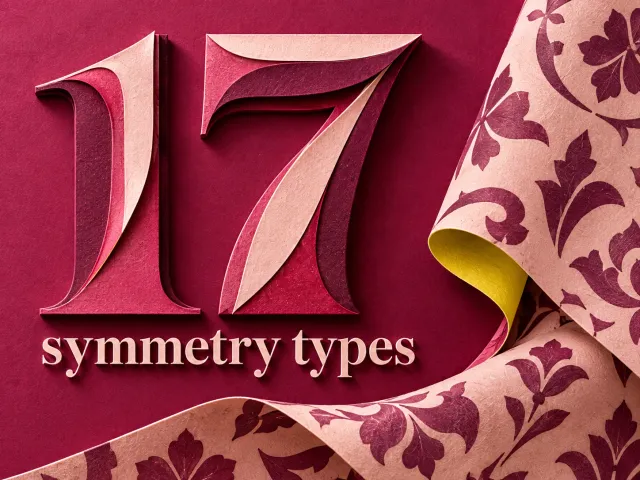
The 17 wallpaper groups classify repeating pattern symmetries. Separate that question from manufacture and placement, then visit The Haunting.

Momo Notices
How ledges, feeding and a domestic history help pigeons live in cities, with local research and Momo’s rooftop detour to On the Waterfront.
Film Guides
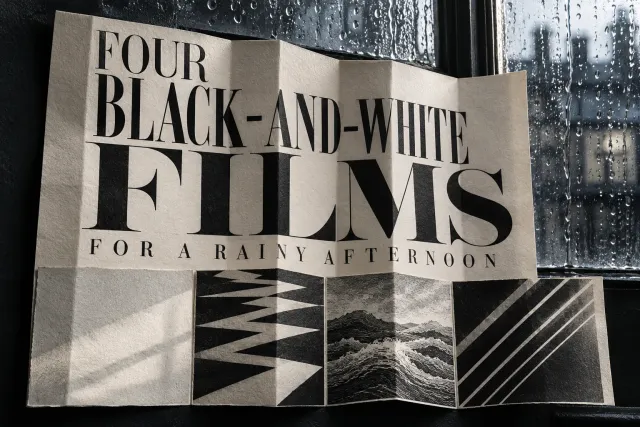
Four black-and-white films for a rainy afternoon, compared by running time, mood, weather and content: two comedies, a windswept romance and a mystery.
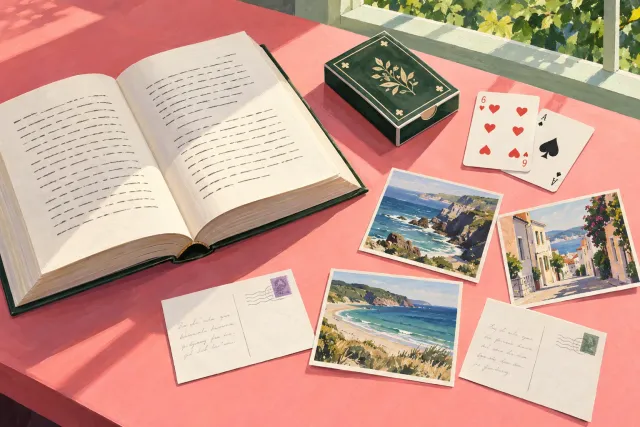
Momo Notices
Compare four screen-free hobbies by equipment, setup, space and clearing up: Klondike, window birdwatching, a paper short story and postcards.
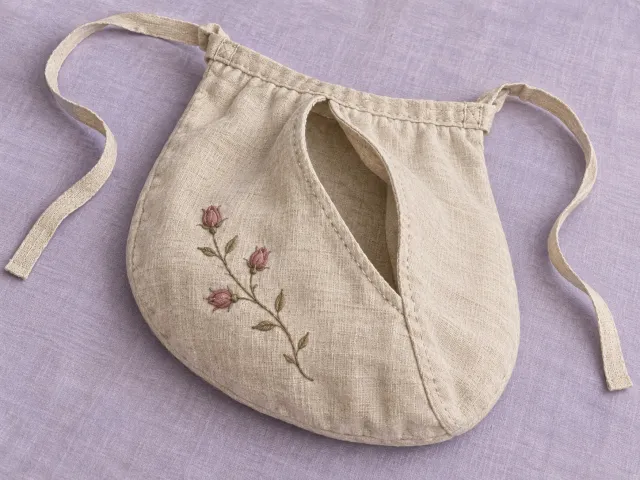
Momo Notices
How tie-on pockets worked, what theft accounts can and cannot tell us about their contents, and a hand-and-wallet detour to Bresson’s Pickpocket.
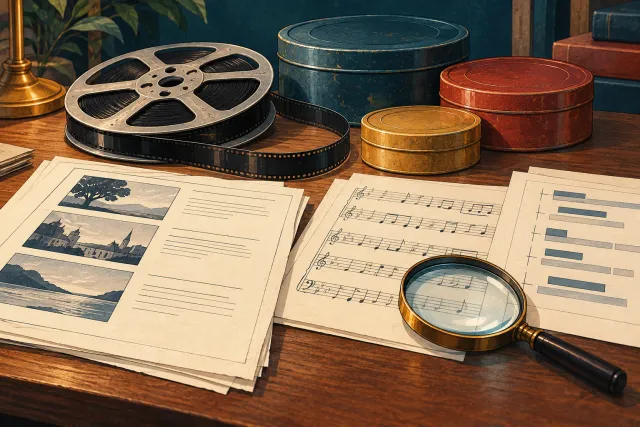
Film craft
What public domain means for a film, with US and UK rules checked on 2 October 2026, separate scores and subtitles, and The Gold Rush as a version example.

Momo Notices
Compare junk journaling and scrapbooking with the same photo, ticket and paper. Choose what to remember, what to play with and which originals to preserve.

Momo Notices
How a small selection, expensive neighbours and familiarity can affect a choice, with a camera experiment and the uniform in The Last Laugh.

Momo Notices
Petrichor, soil-derived material and a drop’s aerosol mechanism explain different things from liking the smell, with a deliberate Pather Panchali comparison.

Momo Notices
How to compare dialogue, loud effects, playback settings and the room using conditional checks from device manuals, with a His Girl Friday detour.

Momo Notices
How Silbo Gomero carries Spanish in whistles, what learners practise and why a limited vowel test differs from conversation, with a Pygmalion detour.

Momo Notices
Liking a film and explaining it ask different things: jam and poster studies, a Hulot misunderstanding and a way to start describing what caught you.
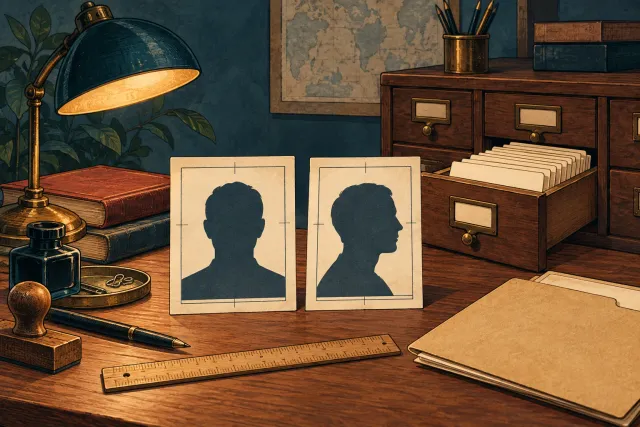
Momo Notices
How Bertillon combined measurements, photographs and classified records, and what identification can establish, with a detour to The Wrong Man.
Momo Notices
Why an action does not reveal how strongly you wanted it: small preferences, specific habit studies and a marked ending discussion of Marty.

Momo Notices
An invented family shows why eight ancestor positions can contain six people, before Kind Hearts and Coronets asks what a chart is for.

Momo Notices
How museum dinosaur mounts combine fossils, copies, reconstructed gaps and revised poses, with a missing-bone detour to Bringing Up Baby.

Momo Notices
How Britain’s concrete acoustic mirrors gathered engine noise: reflected sound, receiver placement and a small listening detour to Fritz Lang’s M.

Momo Notices
How punched cards select raised warp threads and turn successive crossings into a woven pattern, with a detour to The Man in the White Suit.
Momo Notices
Can an opinion be wrong? Explore taste, factual beliefs and what a recommendation asks us to trust, with a visit to The Shop Around the Corner.

Momo Notices
A freezer-aisle detour and a scene from People on Sunday: how an encounter can shape what we want, without making discovery another assignment.
Momo Notices
Momo recruits The Purple Rose of Cairo, Edward Scissorhands, Pig, Charade and Mulholland Drive, then suggests four routes into predominantly monochrome cinema.

Momo Notices
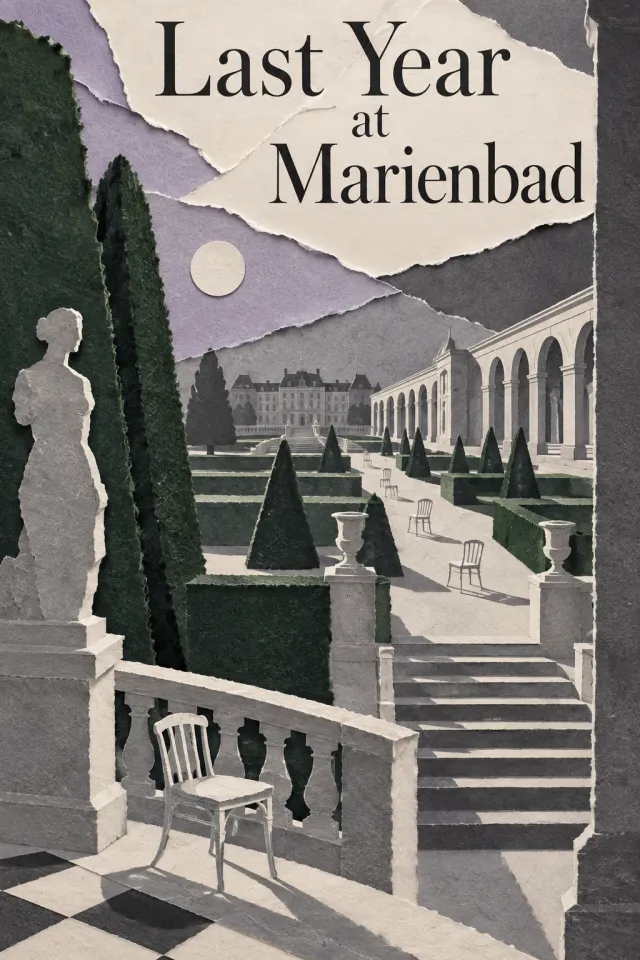
Companionship, care, costs and grief: what happiness research can tell us about living with a cat, with a detour to the black-and-white comedy Rhubarb.
Momo Notices
Devon and Cornwall’s cream-tea traditions, a laboratory’s spreading experiment, and Momo’s unexpected detour to Last Year at Marienbad.
Film history
Real streets, staged traffic and fictional outings: what A Trip Down Market Street and People on Sunday can establish about everyday life.

Film history
How an operator connected a manual telephone call, from answering plugs and ringing switches to the flood warnings in Telephone Operator (1937).

Film history
How stepped glass and a rotating optic turn steady lamplight into a recognisable flash, with Point Reyes and Michael Powell’s The Phantom Light.
Film history
How Linotype spacebands widened the gaps between words, and why correcting one letter meant casting a new line of type.
Film history
How Ruth Belville carried a checked pocket watch from Greenwich to London subscribers, while telegraph signals and radio pips joined the story.
Film history
The American dead-letter problem blocked delivery and return. Dated postal rules and The Shop Around the Corner reveal two different kinds of missing information.
Film history
What an elevator operator did depended on the controls and the passengers. Otis records, a Smithsonian workplace and The Apartment show the differences.
Film history
How container fittings and compatible equipment reshaped ports, and why On the Waterfront asks a separate question about who controls the work.
Cinematography
German Expressionism in cinema gives sets, bodies and crowds a visible shape. Caligari, Metropolis and Nosferatu show why one formula cannot explain it.
Momo Notices
A jury room can hold a large argument; a constructed city can make small encounters count. 12 Angry Men and PlayTime test what we mean by a big film.
Cinematography
Film noir involves more than shadows and hats. Double Indemnity and The Hitch-Hiker show how desire, danger and restricted choices shape the tradition.
Momo Notices
You did it last time. Does that mean you owe it again? The Apartment and High Noon help separate expectations, promises and accepted responsibilities.
Cinematography
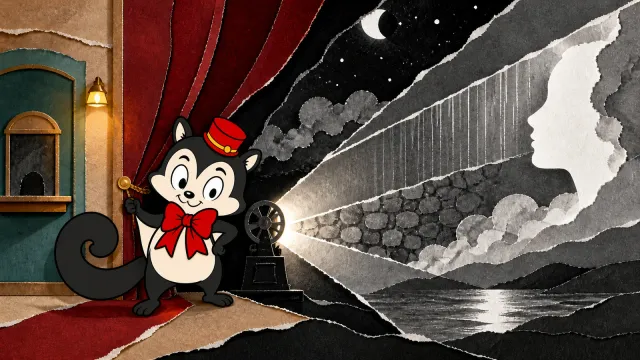
Chiaroscuro uses strong contrasts between light and dark. See how it shapes faces and spaces in The Third Man, and why it is not confined to black-and-white film.
Film history
When did colour reach cinema? Hand-colouring, Kinemacolor and three-strip Technicolor explain why the first colour movie needs a precise definition.
Film craft
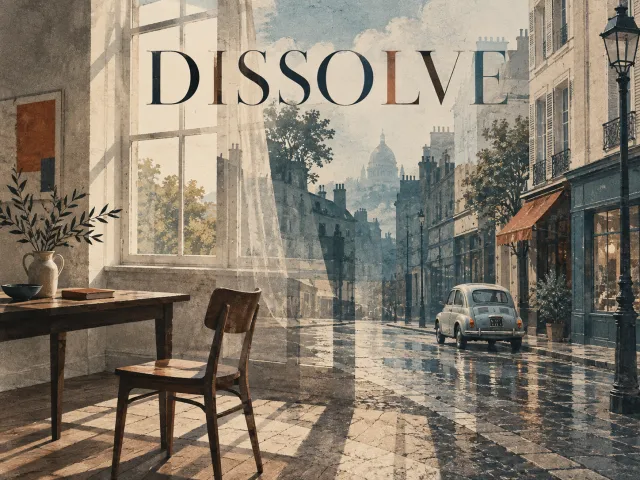
How a dissolve lets two images overlap, how it differs from a fade, and why the transition can do more than move a story forward in time.
Film craft
How a jump cut makes missing time visible, why it differs from fast cutting and elliptical editing, and what Breathless helped filmmakers discover.
Momo Notices
Why does an enjoyable evening need a useful excuse? Leisure research, a little economics and Sullivan’s Travels offer another way to value a good laugh.
Momo Notices
Learn how to crack a simple cipher with two puzzles, step-by-step hints and answers. Follow Mary Stuart’s decoded letters, then meet Sherlock Holmes.
Momo Notices
Why does rain light up under streetlights? See how light, drops and a dark background work together, then discover the silent film Regen (1929).
What to watch next
Choose your next black-and-white movie: 15 classics and modern films compared by mood, time and viewing experience, from Casablanca to Frances Ha and Roma.
What to watch next
Choose a classic documentary by how it sees the world: vivid city images, Bob Dylan on tour, everyday work, a miners’ strike or a murder investigation.

What to watch next
Choose a classic animated movie by mood and style: compare Kiki, Akira, Pinocchio and seven more, from paper silhouettes to clay and hand-drawn worlds.
What to watch next
Compare ten classic action movies by style and running time: train chases, samurai, spy adventures, car getaways, martial arts and Die Hard.

What to watch next
Choose a classic sci-fi film for tonight: compare ten worlds, moods and running times, with guidance on which editions of Metropolis and Blade Runner to watch.
What to watch next
Find a classic fantasy movie for tonight: compare 12 fairy tales, magical journeys and other worlds, from Beauty and the Beast to The Princess Bride.
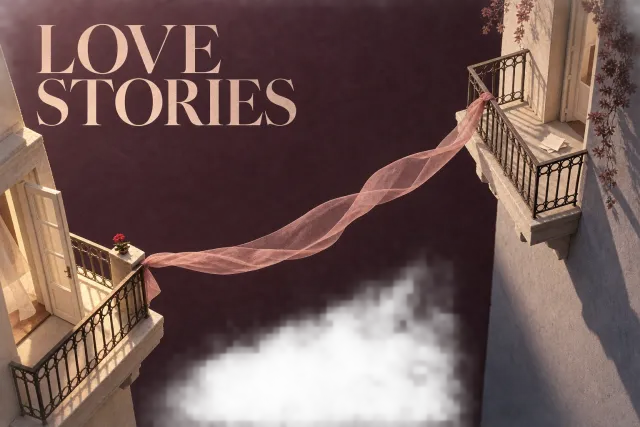
What to watch next
Choose a classic romance by mood and running time: ten films, from playful road trips and secret letters to Brief Encounter, Charulata and Moonstruck.
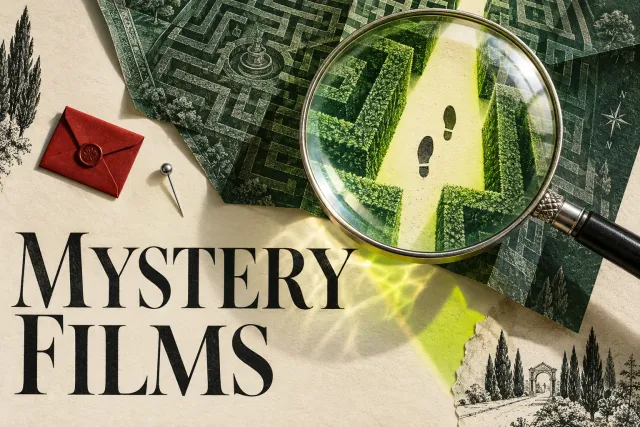
What to watch next
Choose a classic mystery by the case you want: witty detectives, Christie whodunnits, Gothic clues or patient police work. Compare 12 films without revealing the answers.
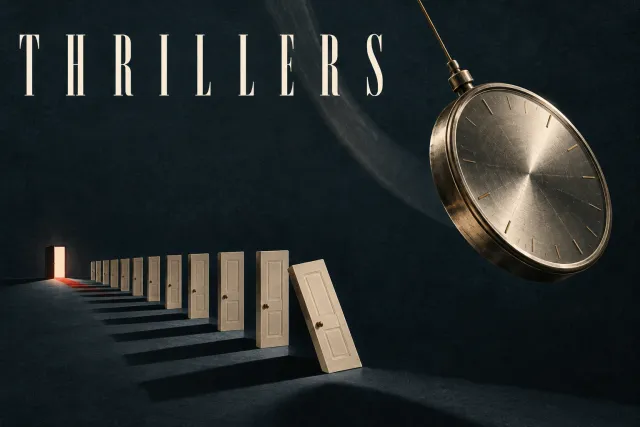
What to watch next
From Rear Window and Duel to Notorious and The Conversation: compare ten classic thrillers by pace, runtime and the kind of suspense you enjoy.
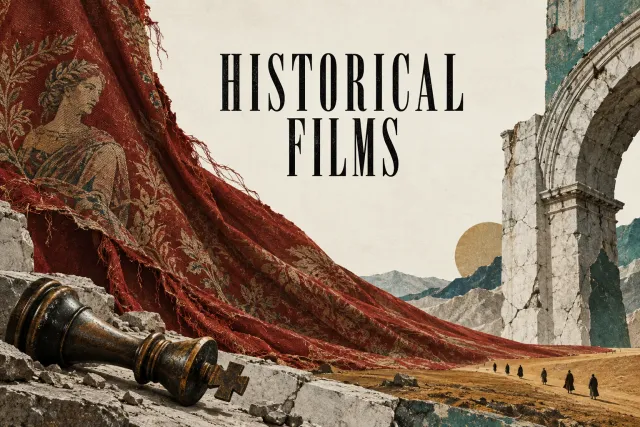
What to watch next
Choose a historical or costume drama: compare ten classics by setting, mood and length, from Joan of Arc and Seven Samurai to The Leopard and Amadeus.
What to watch next
Choose a classic musical for tonight: ten films compared by mood, running time and musical style, from Top Hat and Singin’ in the Rain to Cabaret.
What to watch next
Find a classic comedy for tonight: ten films compared by humour, mood and running time, from Buster Keaton and screwball romance to Mel Brooks and Airplane!
What to watch next
Find a classic horror movie for tonight: compare 15 films by fear, time and graphic detail, from Frankenstein and Psycho to Halloween and The Thing.
What to watch next
Choose your next film noir: 12 classics compared by mystery, heist, dangerous attraction and trapped characters, with runtimes and US viewing options.
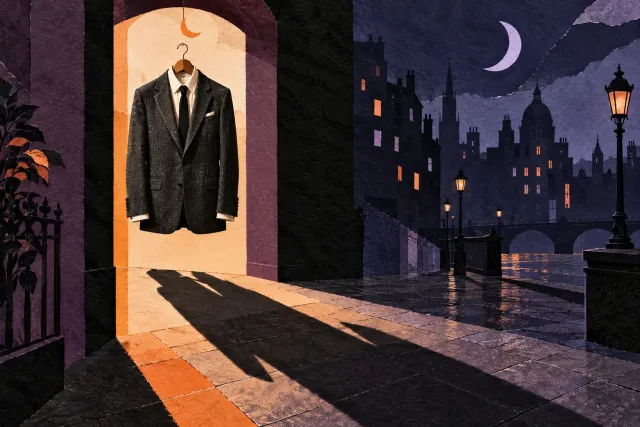
Seasonal doorway
Turn a black, navy or grey suit into a Men in Black agent, Clark Kent, a Blues Brother or a noir detective. Choose the look by the accessories you own.
Film craft
Does a 4K restoration mean a 4K disc? Read restoration and remastering labels, compare Citizen Kane and Metropolis, and know which edition you are buying.

Seasonal doorway
Find summer in the sea breeze of Monsieur Hulot’s Holiday and a lakeside day in People on Sunday. Two black-and-white films to put you in a holiday mood.
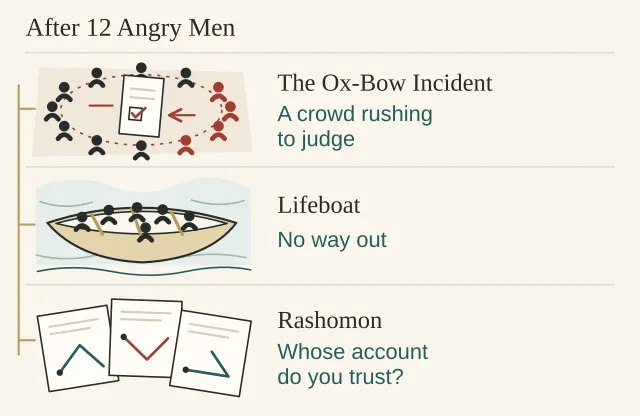
What to watch next
Loved the arguments in 12 Angry Men? Choose your next film for group pressure, trapped company or conflicting testimony, with US viewing listings.
Adaptation
Why did Hitchcock’s Rebecca change murder into an accident? Follow the Production Code dispute and the questions left after Maxim explains the death.
Film within a film
The film Norma watches is Queen Kelly. See how Gloria Swanson’s real performance becomes a fictional star’s past, with a modern Minions comparison.

What to watch next
Why watch The Face of Another after No Longer Human? Compare Yōzō’s clowning with Okuyama’s new face, and what each performance asks of other people.

Film craft
Why does PlayTime’s doorman keep opening a broken door? Separate the passage from the gesture with Don Norman’s distinction between affordances and signifiers.
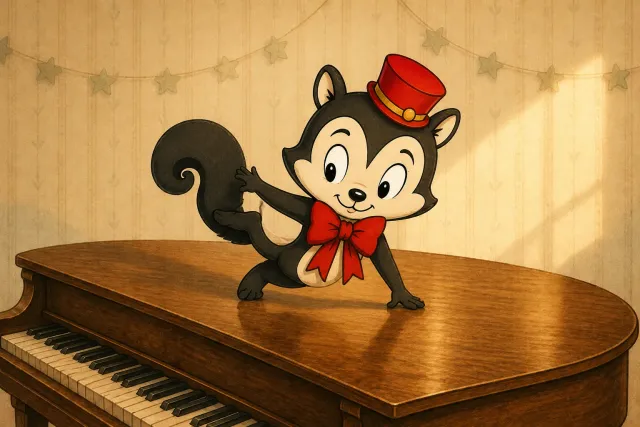
Film craft
Love Toy Story? Discover A Christmas Dream, an eleven-minute black-and-white short where an old rag doll turns a piano into music, skating and play.

Narrative
Neff confesses, Gillis mocks himself, and Harry Lime jokes about his victims. Read how wit admits failure, manages sympathy and evades responsibility.
Film craft
Why can Minions make sense without translation? Follow their looks, voices and mistakes alongside Chaplin’s The Gold Rush and Keaton’s One Week.
Momo Notices
Write your first pen pal letter with three examples for adults, simple ways to make them your own, and a black-and-white film about correspondence.
Film history
Why can an old film's shopfronts and passing traffic become as absorbing as its story? Look again with People on Sunday and A Trip Down Market Street.
Film craft
What is deep focus in film? Learn how it differs from shallow focus, deep-space staging and rack focus, with clear examples from Citizen Kane.
What to watch next
Choose eight black-and-white horror films by mood and runtime, or try a free 13-minute Frankenstein short. Find your Halloween film and its viewing route.
Film history
Nitrate is the flammable plastic base of much early cinema. Learn how it differs from safety film, why films disappear, and what restoration can preserve.
Film language
Blue night scenes and amber interiors often belong to a silent film’s original presentation. Compare tinting with toning and learn why restorations differ.
Film history
A talkie is a film with recorded, synchronised speech. See how The Jazz Singer, Blackmail and Modern Times changed what audiences could hear.
Film language
An intertitle is a text card between shots. See how Hitchcock, Manhatta and The Gold Rush use them—and how they differ from subtitles.
Film craft
Why old films look square, what 4:3 and Academy ratio mean, and why the black bars on your TV may be keeping the whole picture intact.
Film craft
Hear the difference between an old-film accent, a performance and a recording, with Cary Grant, Katharine Hepburn and two comedies from 1940.
Film history
What does pre-Code Hollywood mean? Understand the Hays Code, the change in 1934, and the dialogue, endings and restored versions of three films.
Adaptation
Rashomon draws on two Akutagawa stories. Compare In a Grove with the gate story, and see how Kurosawa changes both — including the film’s ending.
Cinematography
Birdman joins separate takes to look continuous. Compare its hidden cuts with Rope and Touch of Evil, and see what long takes do with space, time and suspense.
Cinematography
A Dutch angle rolls the camera sideways. See how it differs from a pan or tilt, and how The Third Man and Batman use canted framing for different effects.
Physics
Why do wet roads look darker yet shine under street lights? Explore the optics, then see the effect in the black-and-white thriller The Third Man.
Film history
Silent films usually had live music from a pianist, organist, ensemble or orchestra. Learn how cue sheets worked and why modern editions can sound different.
Film history
It’s a Wonderful Life became a Christmas ritual through television repetition—then rights control turned its abundance into an annual appointment.
Film craft
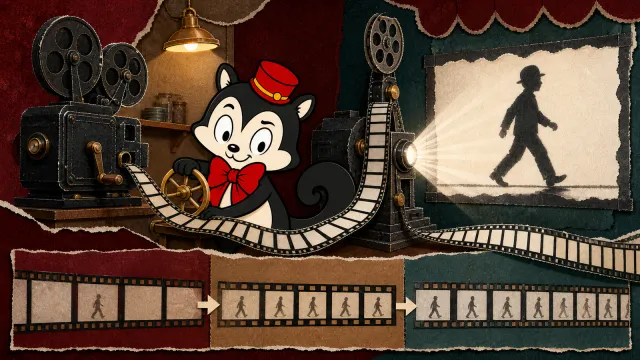
Silent films can look too fast at the wrong frame rate. Learn how capture, projection and restoration shape motion—and why there was no single silent speed.
Film craft
Some Like It Hot was not black-and-white because colour was unavailable. Wilder preferred it; monochrome also protected the disguises and made 1929 cohere.
One-evening watchlist
Five black-and-white films for a difficult night, offering company through hardship, grief and disappointment without promising an easy resolution.
Start here
Black-and-white films do more than remove colour: they reshape light, faces, texture and space. Here is what to look for, and where a beginner can start.
Film analysis
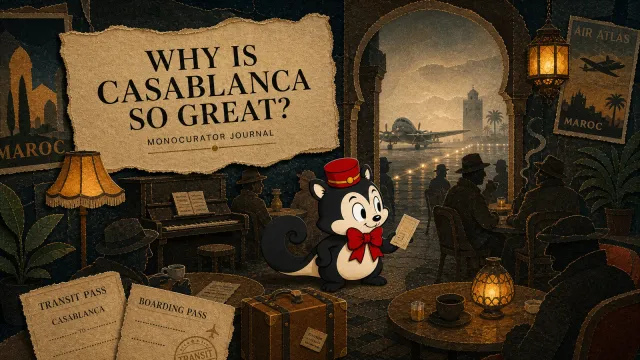
Why is Casablanca so great? Its romance, wit and music all drive Rick to one ending: he proves his love for Ilsa by helping her leave with Laszlo.
Film craft
Why Night of the Living Dead was shot in black and white, how it shapes the horror, and how to tell the 1968 original, colourised copies and 1990 remake apart.
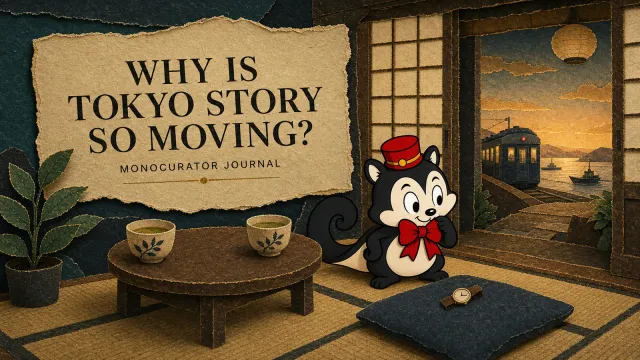
Film analysis
Tokyo Story moves us without villains or grand speeches. Its ordinary delays, quiet rooms and imperfect kindness turn family love into irreversible regret.
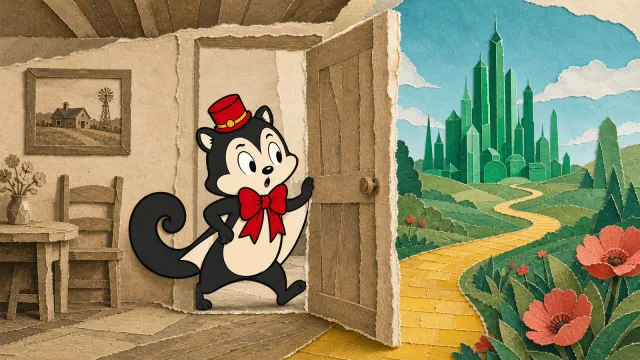
Film craft
The 1939 Wizard of Oz already mixed sepia and Technicolor. See how a sepia-costumed double and Judy Garland made the doorway change work.
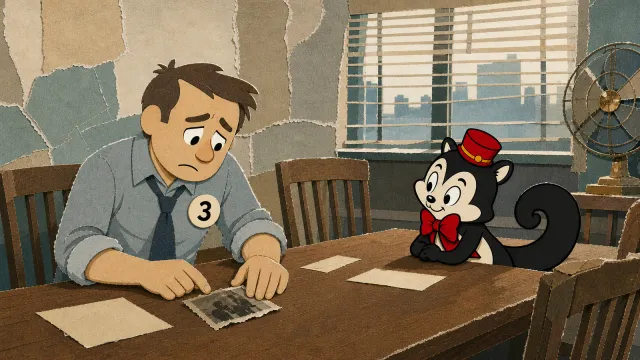
Film analysis
Juror 3 says his son hit him and they have not met for two years. Follow his own threat and the final photograph to see how that history shapes his vote.
Director doorway
Compare six black-and-white Hitchcock films by mood, runtime and scare level. Start with The 39 Steps, The Lady Vanishes or Psycho.
Cinematography
The Third Man uses Dutch angles — a deliberately tilted camera — to make postwar Vienna feel unstable. See how crooked shots alter space, trust and moral balance.
Film Music
Five unforgettable songs in movie scenes—from Saturday Night Fever and Pig to Sing Street, Love Me Tonight and San Francisco—and what each one changes.
Ethics & Technology
Can AI suffer or have moral status? We do not know. Classic movie monsters show how purpose, resemblance, speech, control and consent distort our judgement.
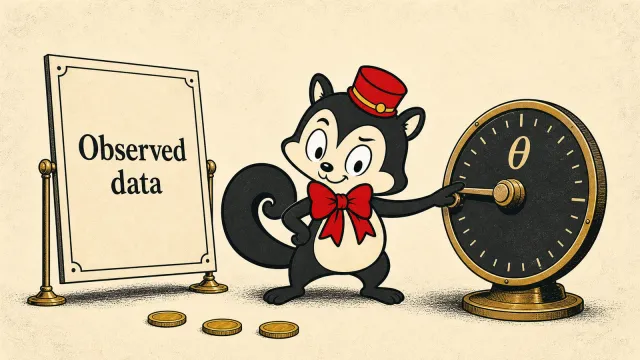
Statistics
A plain-English guide to likelihood in statistics: how it differs from probability, how maximum likelihood estimation works, and what likelihood ratios mean.
Momo Notices
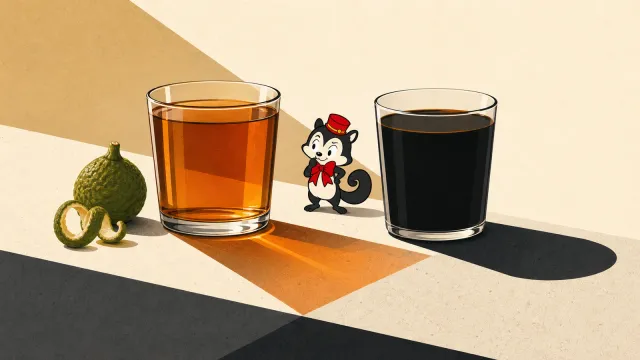
Coffee is darker to the eye, yet tea can feel darker in taste and aroma. An essay on leaves, fruit, roasting, oxidation, and the contrast created by bergamot.
After work
Still thinking about emails, meetings, and tomorrow’s tasks? Here are five practical ways to mentally leave work behind and reclaim your evening.
Physics
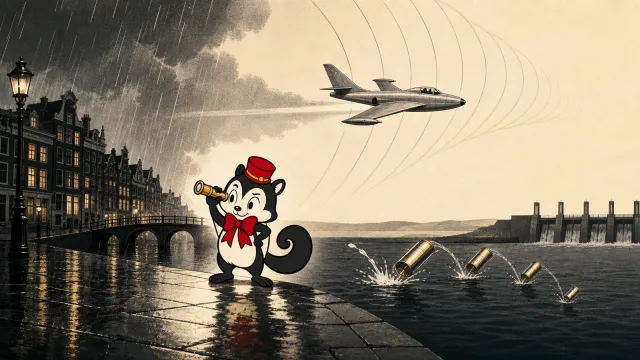
The Dambusters’ bomb combined about 232 mph, a 60-foot release, a shallow impact angle and backspin. Rain and shock waves reveal the fluid mechanics.
Narrative
Plot armour is the sense that a story needs a character’s body alive. Narrative survival asks a different question: can the film afford to lose their role?
Art & Preservation
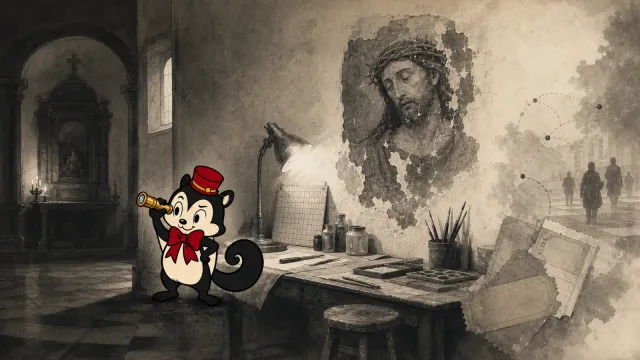
Borja’s 2012 Ecce Homo intervention obscured García Martínez’s painted surface. Viral fame then created visitor and social value—but did not repair the loss.
Perception
What blind tasting, price cues and Citizen Kane can tell us about the uneasy gap between quality, pleasure and reputation.
Adaptation
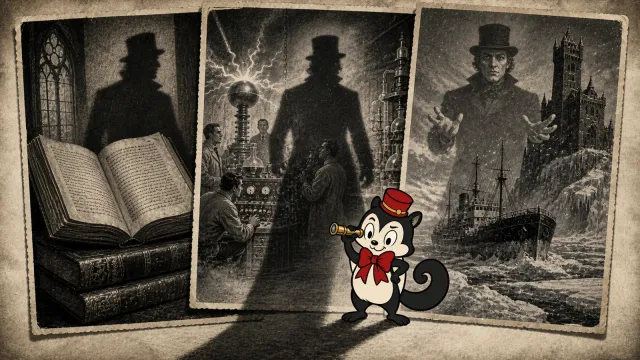
Mary Shelley lets the unnamed Creature tell his own story. The 1931, 1935 and 2025 films redistribute his speech and agency — changing who appears monstrous.
Version guide
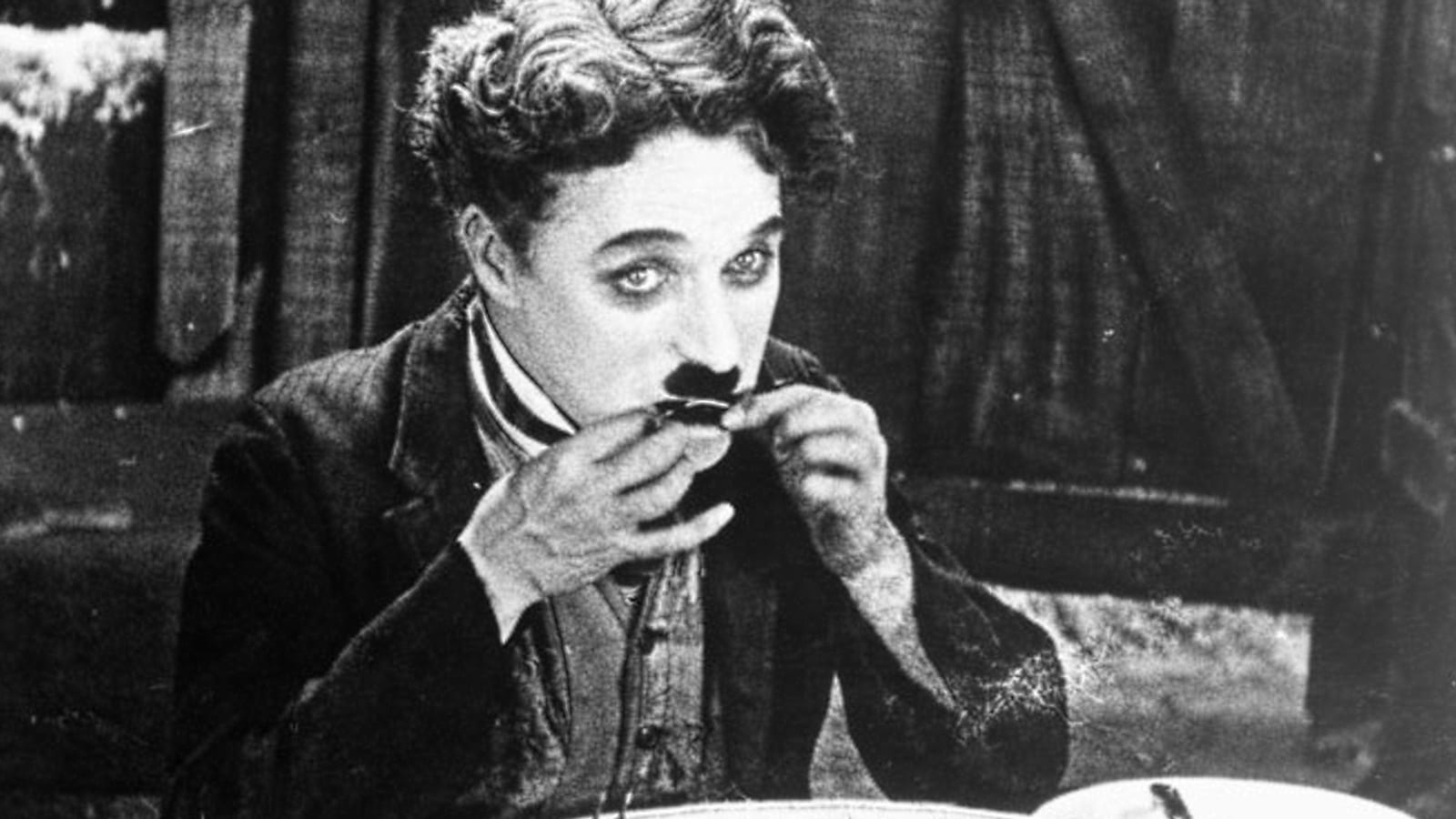
Choose The Gold Rush's 1925 or 1942 version, find both on Criterion Channel, and compare the US Blu-ray with the German 4K UHD's language options.
Momo Notices
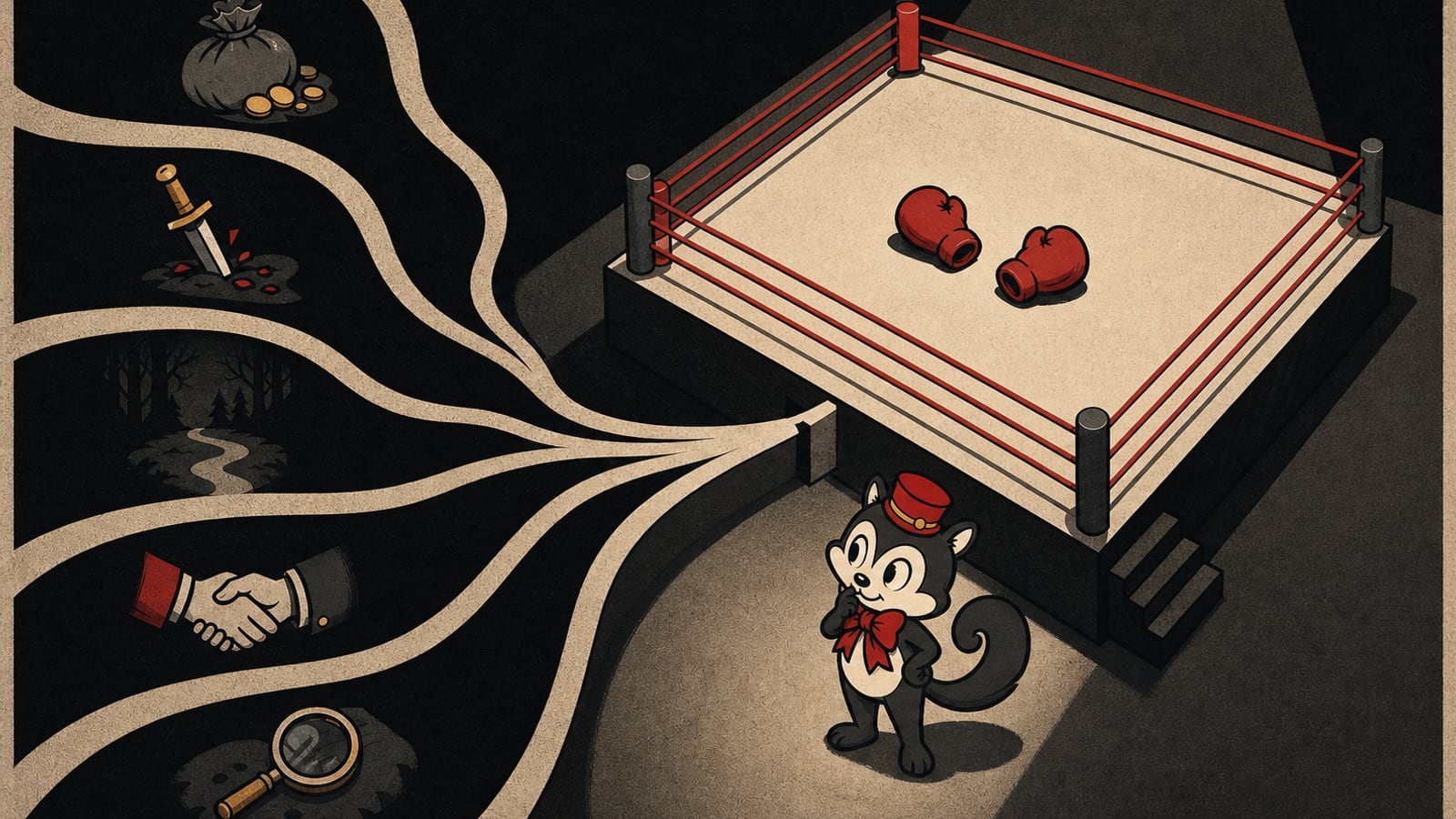
Why do some fight scenes feel predictable? Good ones keep changing goals, information, relationships, choices, cost or meaning — not only who is winning.
Version guide
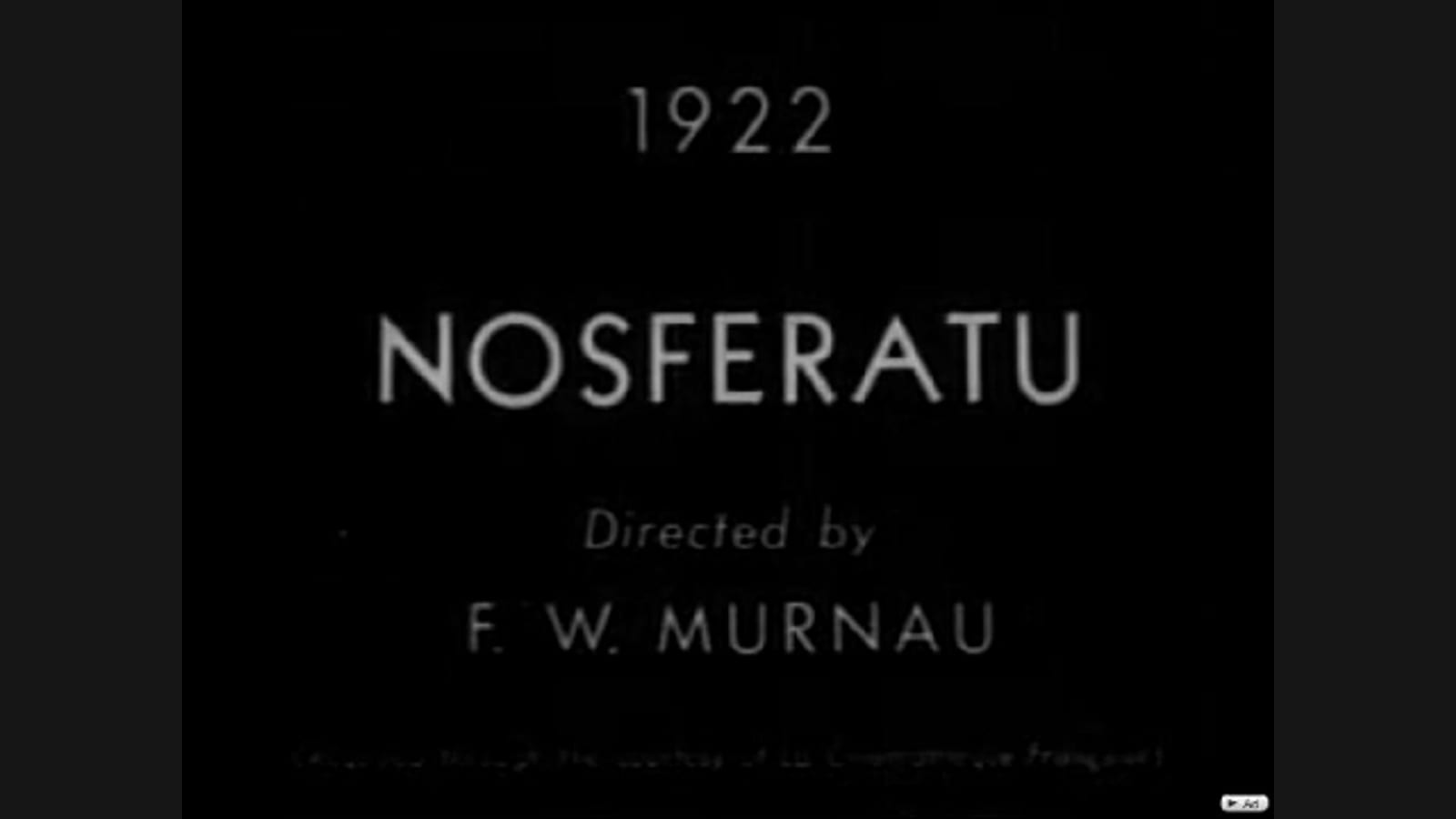
Choose your Nosferatu: compare the three films, check a 1922 edition’s music and subtitles, and find a free stream or historical-score disc.

Version guide
Choose the 2010 restoration of Metropolis. Check your copy by its label, runtime and recovered footage—and find out why 153 minutes is not the target.
Version guide
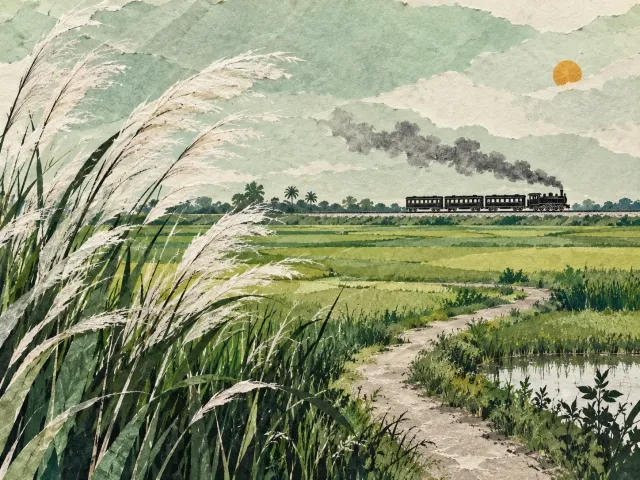
Choose Pather Panchali on Criterion 4K UHD, Blu-ray or DVD, check subtitles and player compatibility, and follow the Apu Trilogy in order.
Version guide
Compare Criterion Citizen Kane 4K UHD and Blu-ray: Dolby Vision HDR or 1080p, the same 119-minute restoration and mono sound, plus disc regions.

Seasonal doorway
A practical summer-night movie guide: choose The Wages of Fear, The Set-Up, The Third Man or Psycho by runtime, mood, and how you want the heat to feel.

Version guide
Choose a restored Japanese-language Tokyo Story, then use runtime, subtitles, aspect ratio, and edition labels to identify the right presentation.
Version guide
Start with the 1998 reconstruction. Identify your Touch of Evil copy by runtime, opening credits and music, then compare theatrical and preview cuts.
Version guide
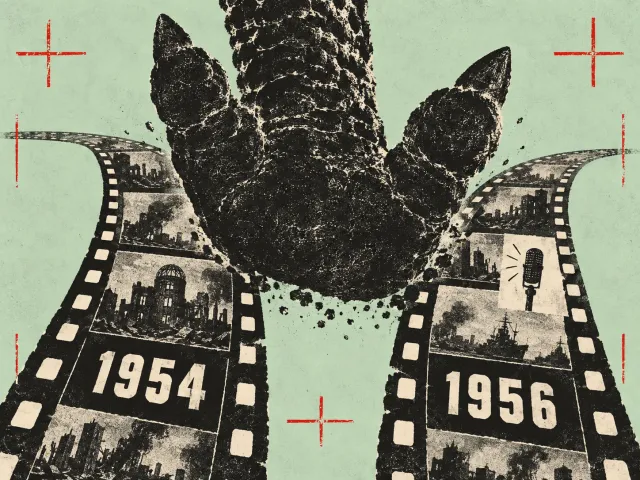
Compare the 96-minute Japanese Godzilla with the shorter American re-edit: language, Raymond Burr’s added scenes, restoration and subtitle choices.

Director doorway
Start with Some Like It Hot, then choose Double Indemnity for noir, Sunset Blvd. for Hollywood, or The Apartment for bruised romance.
Director doorway
A five-film beginner watch order: Rashomon, Yojimbo, Ikiru, High and Low, then Seven Samurai. Compare runtimes and choose a first film for your mood.
What to watch next
Start with M for sound and surveillance, or choose The Night of the Hunter, Caligari, Touch of Evil, or Detour by what stayed with you.
One-evening watchlist
Choose 15 classic movies under 90 minutes (45–88 min) by mood and runtime, with edition notes, five 85–88-minute picks and viewing options.
Try it yourself
Compare lessons by learning goal, age and viewing preparation →
Download an archive film and make two cuts from the same four shots. Compare what changes when one image moves.
Try the editing exercise Free PDF + WordTrace evidence, assumptions and doubt with student sheets, teacher notes and an editable lesson.
Explore the lesson Free online toolTurn your own words into a silent-film intertitle. Choose a design and save a 1920px PNG.
Make a title card Free PDF + WordA 45-minute class activity on work, the body and comic movement, with student sheets and an editable lesson.
Explore the lesson Free PDF + WordA 45-minute visual storytelling activity with student sheets, a four-shot storyboard and teacher notes.
Explore the lessonKeep exploring
Comparing restorations, cuts, runtimes, scores, subtitles, or intertitles? Explore all version guides →